
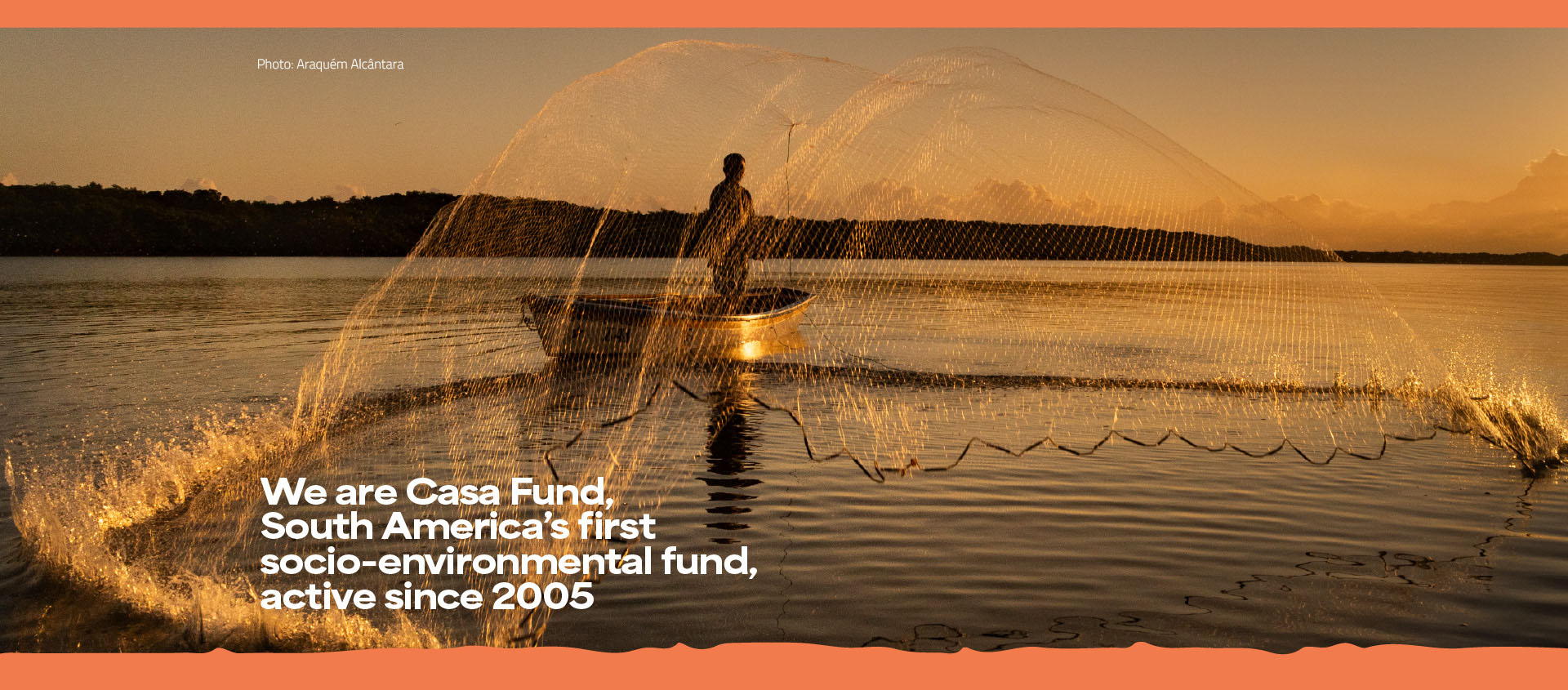

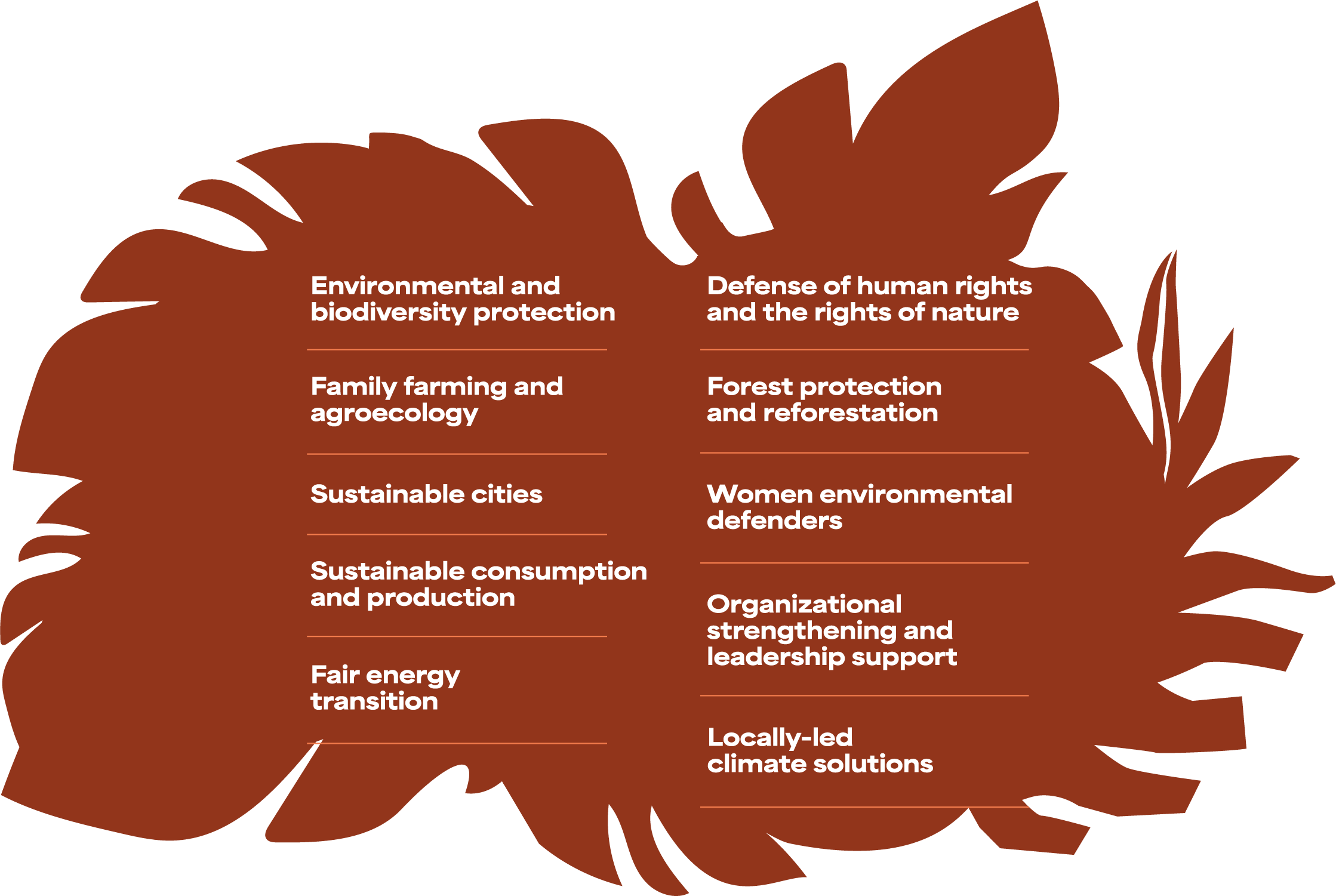
With the ability to scale, we mobilize and channel resources to energize local solutions led by the very communities that hold the experience and knowledge to protect the planet — together with their cultures and ways of life — in both rural and forest territories and urban contexts. Our work strengthens the defense of socio-environmental rights across the country.

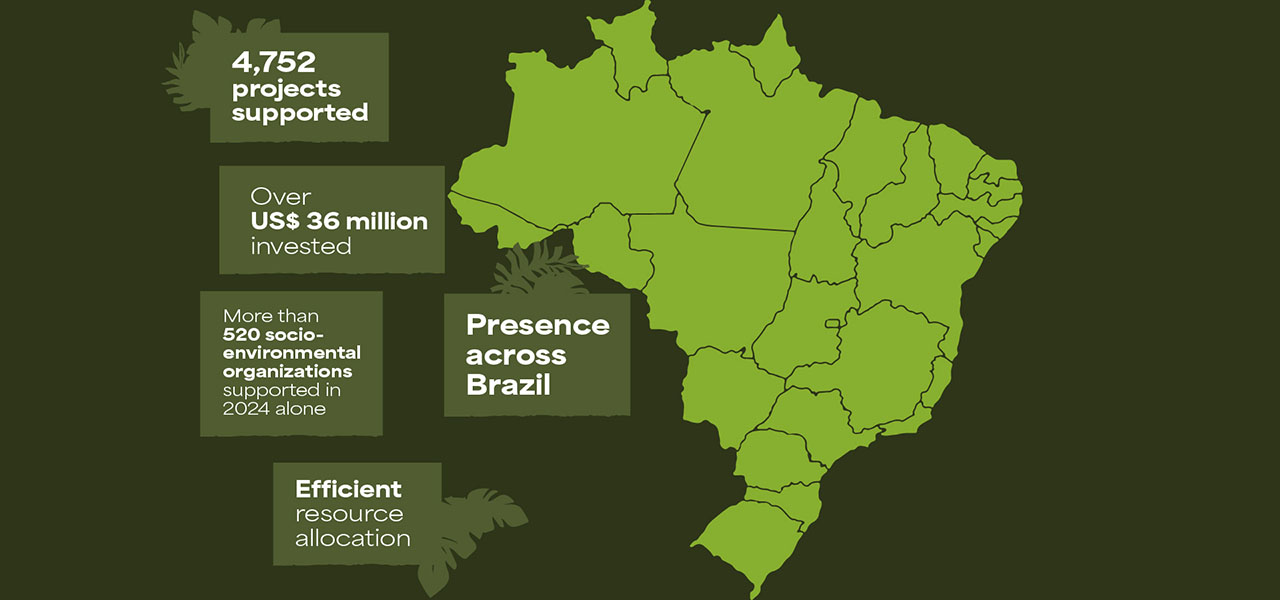
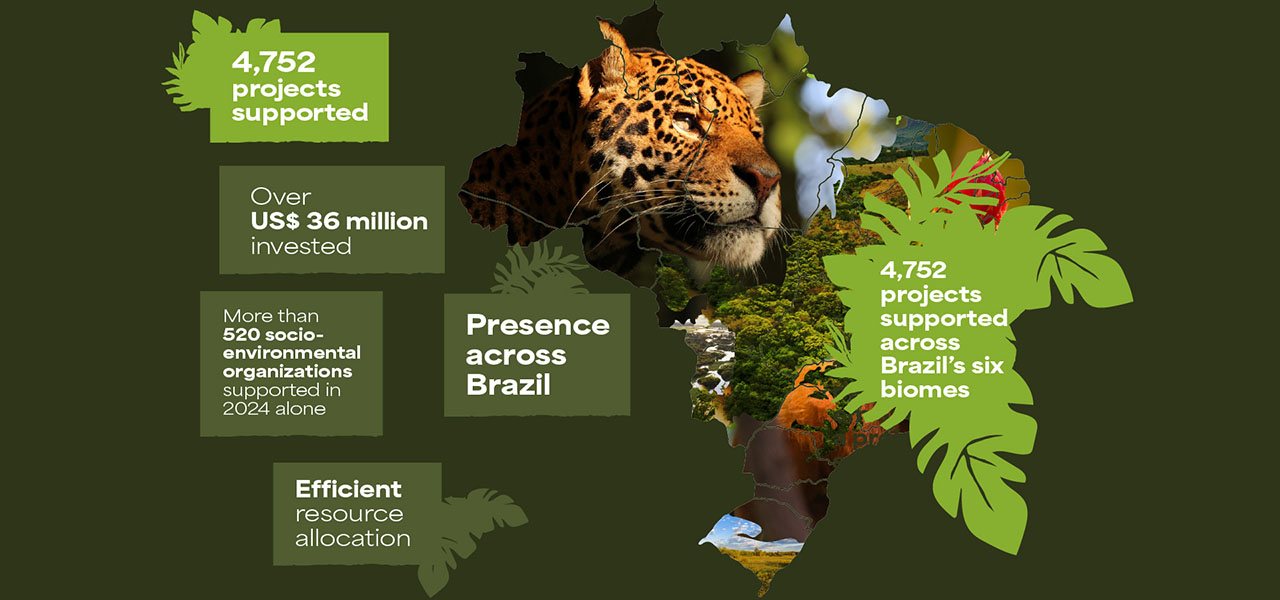
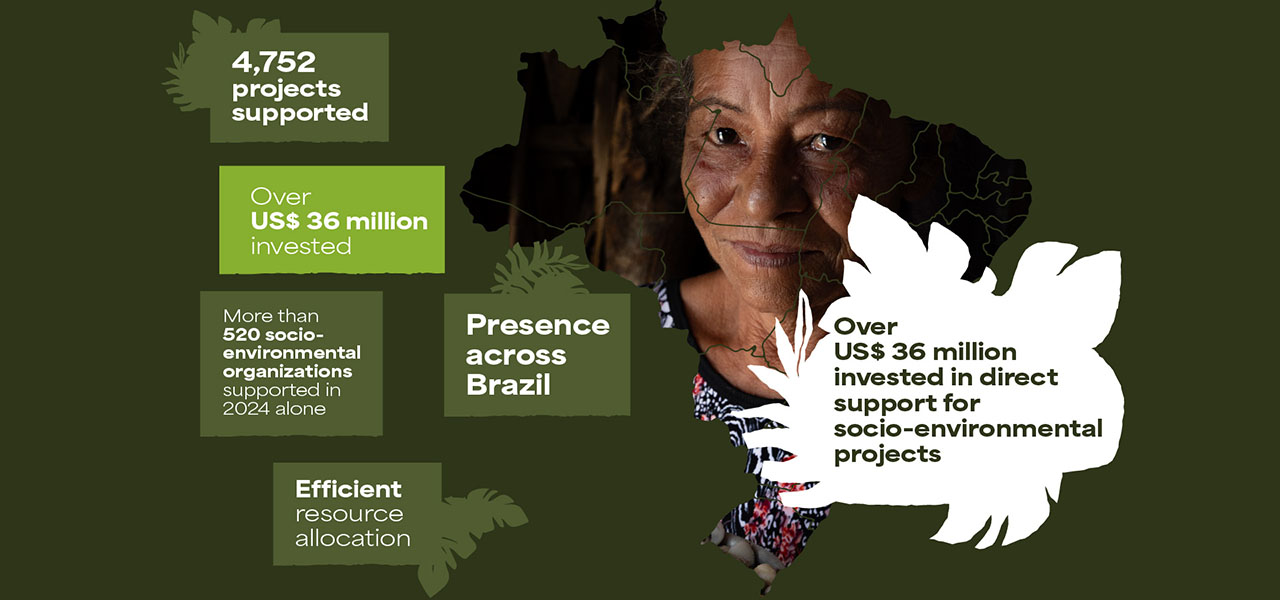
We trust in the ability of every group we support — and they, in turn, trust in us. This network of trust — strong, vibrant, and non-hierarchical — weaves together our presence and reach across communities.
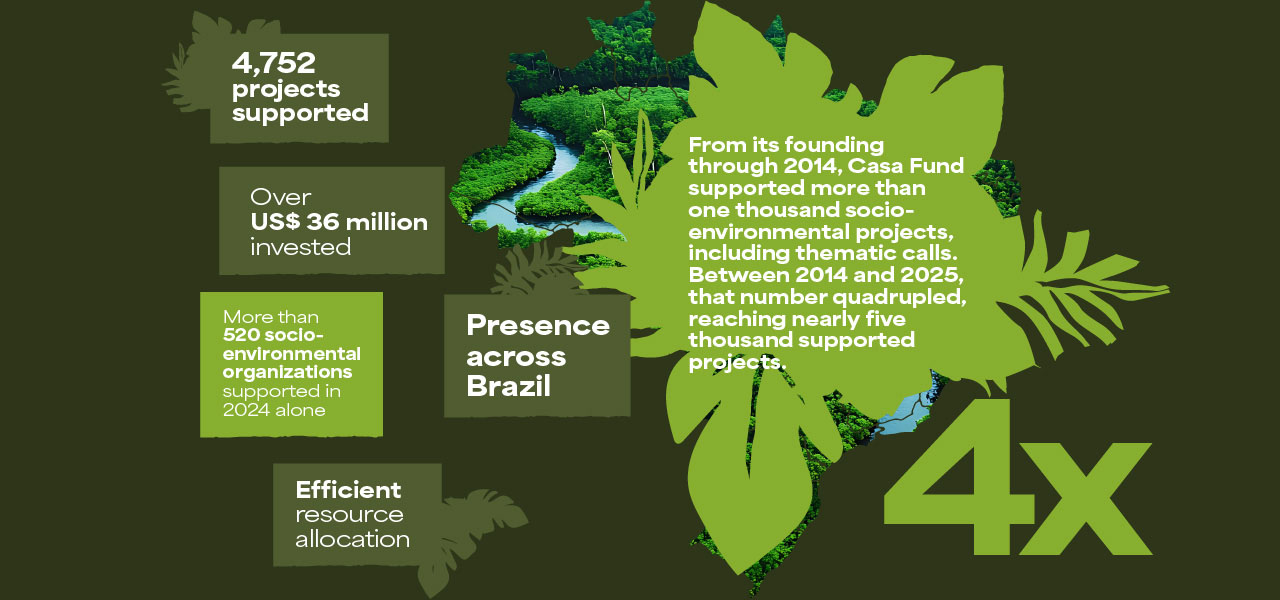
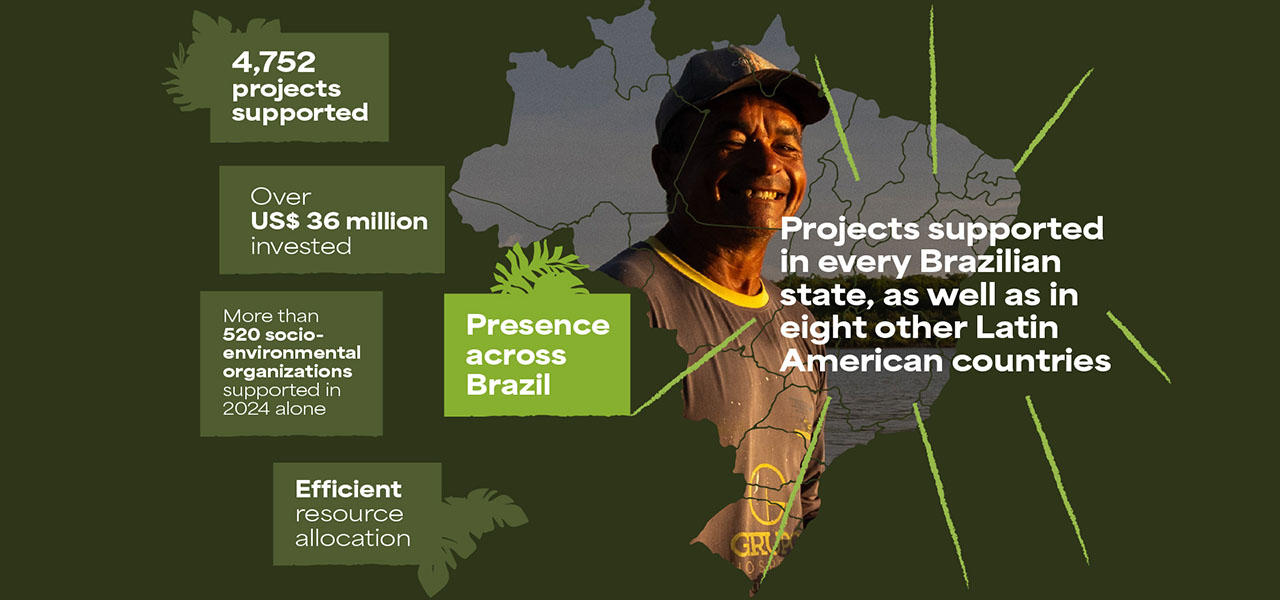
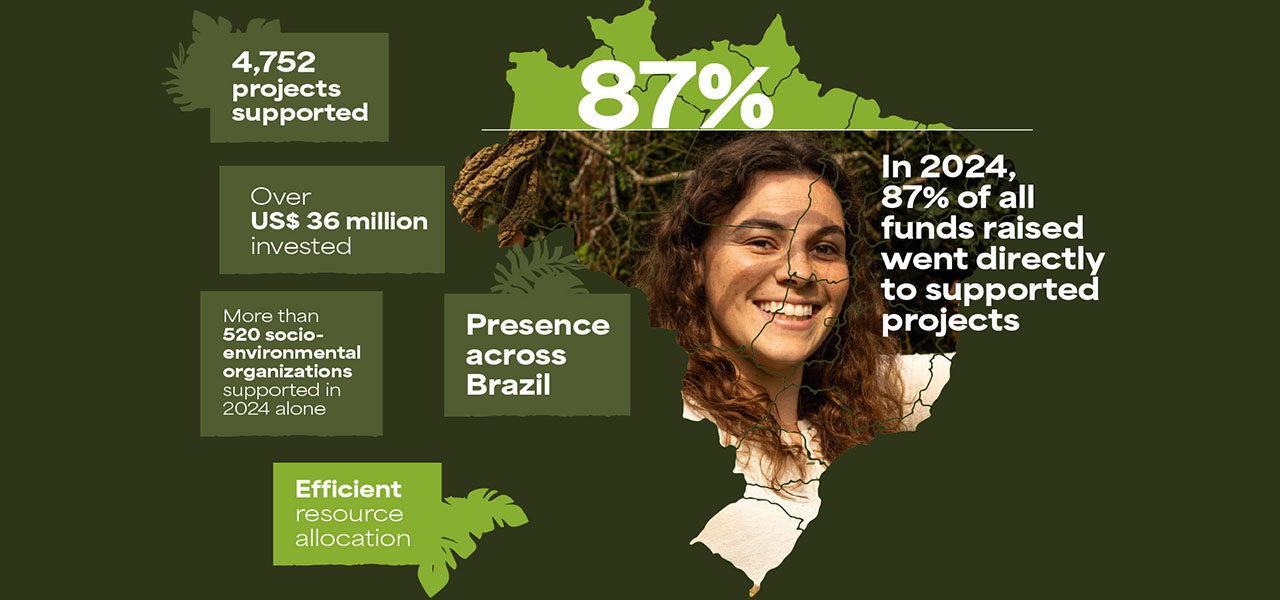
Discover some of the nearly five thousand projects supported by Casa Fund
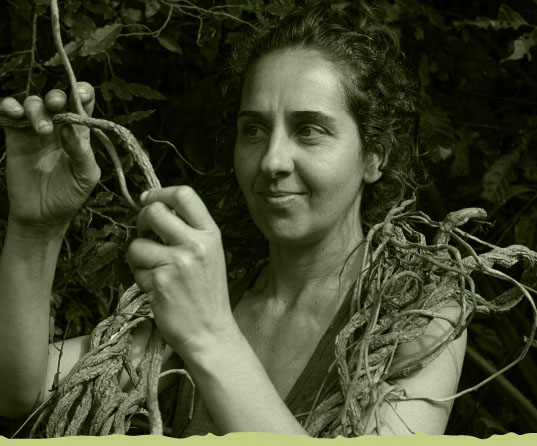
Biomes in regeneration: after the floods in Rio Grande do Sul, women show how medicinal agroforests can transform territories and rewrite futures
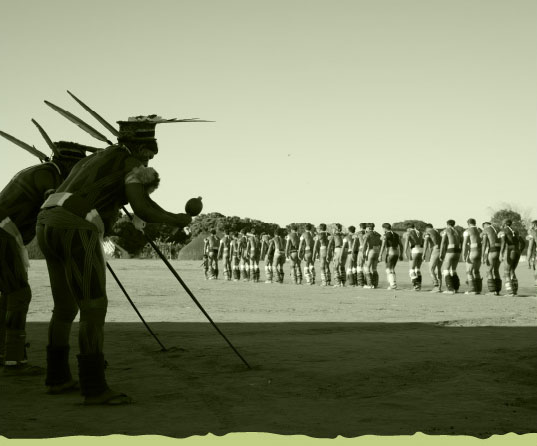
Ingu helü: in Upper Xingu, an educational booklet preserves the culture, spirituality and language of the Kuikuro people
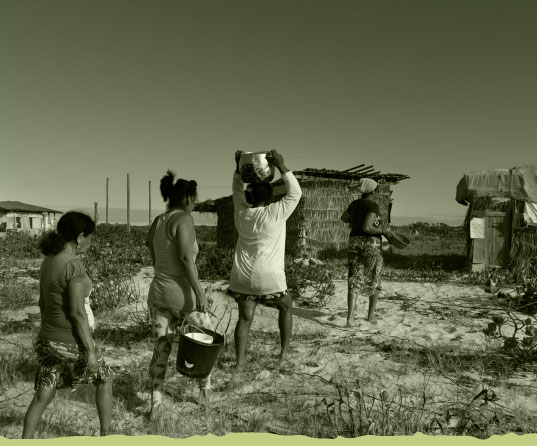
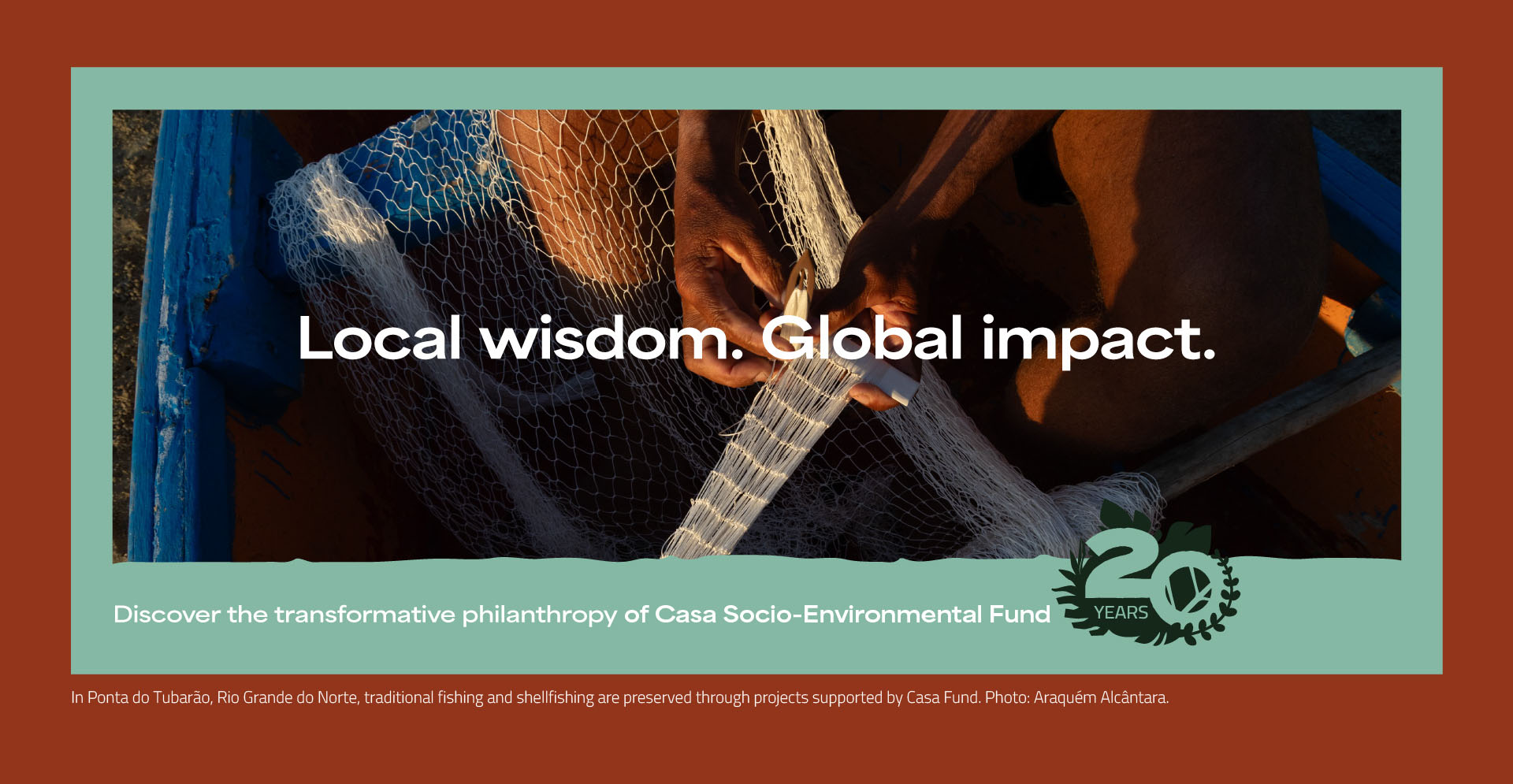
In Ponta do Tubarão, a community bank helps sustain the ancestral way of life of fishers and shellfish gatherers
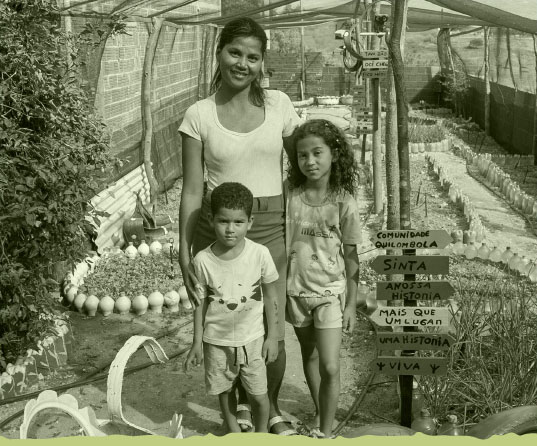
In Coremas, Paraíba, quilombola women become teachers through workshops on vegetable cultivation and traditional land-based knowledge
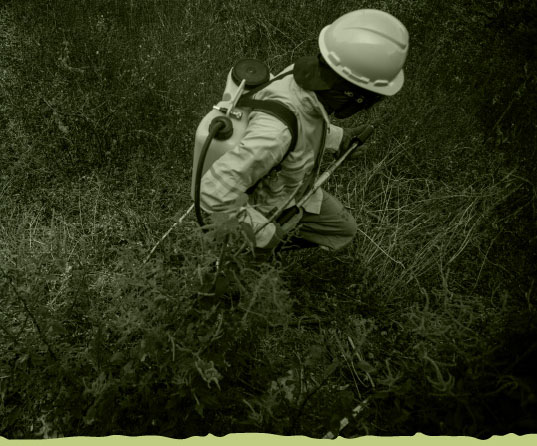
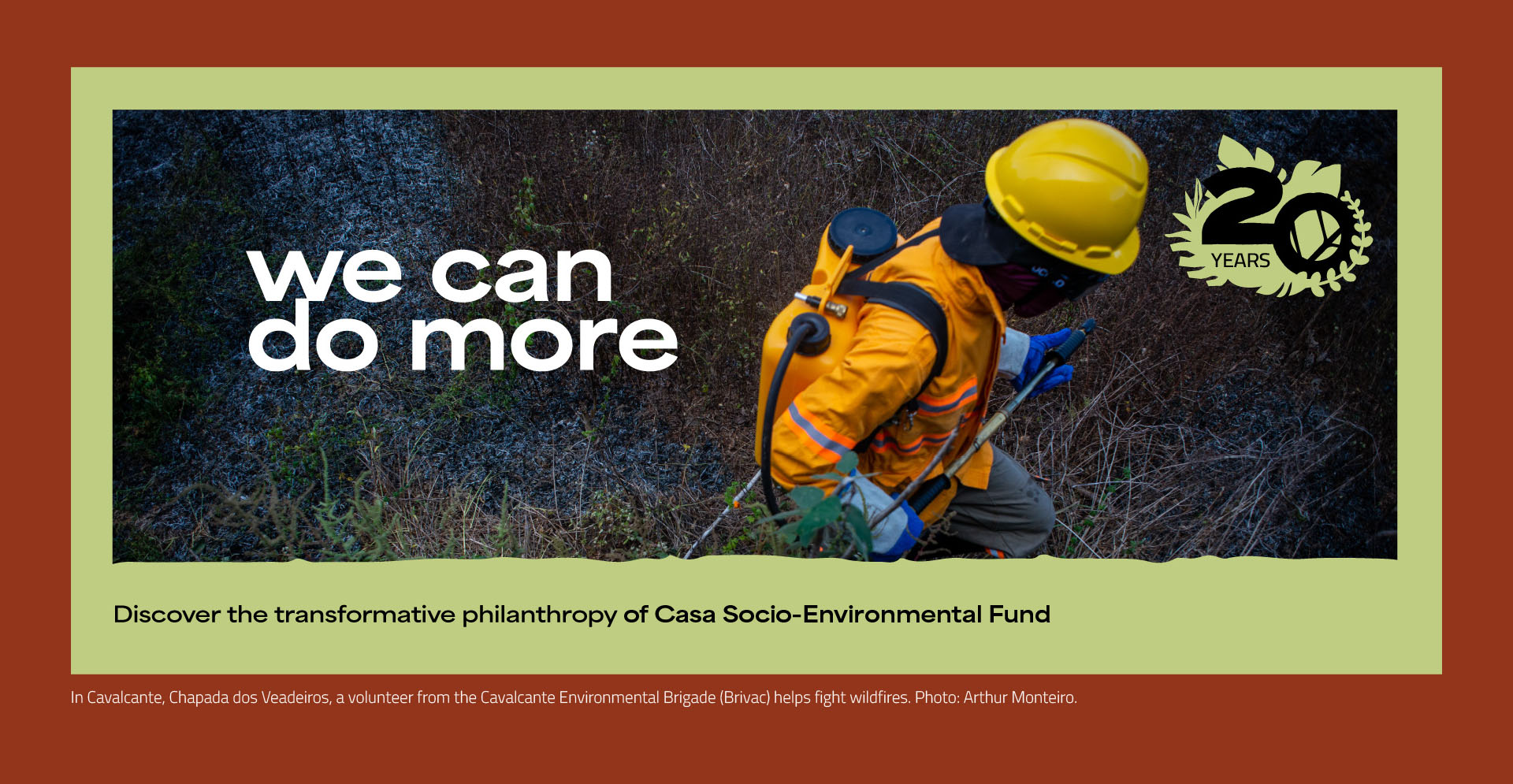
Meet BRIVAC, the volunteer brigade in Chapada dos Veadeiros that protects the Cerrado from fire and spreads knowledge about wildfire prevention
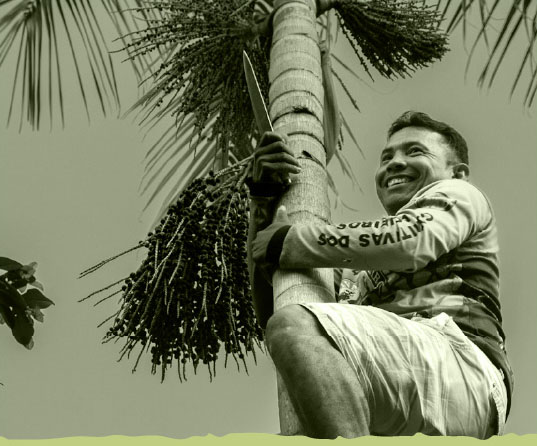
From Amazonian fruits to community empowerment: the work of the Surucuá Cooperative opens new pathways to the future on the banks of the Tapajós River
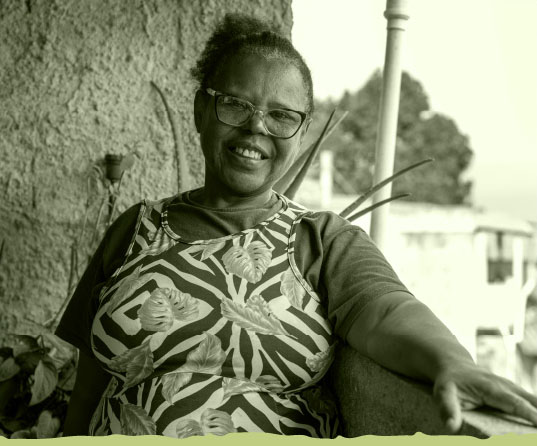
Clean energy from the favela to the world: in Rio de Janeiro, Revolusolar shows that a just energy transition begins in the periphery and moves toward the center
Learn how to support Casa Fund
Learn about our leading supporters
SUPPORT US AND JOIN OUR NETWORK
DONATE IN REAIS VIA PIX
DONATE IN OTHER CURRENCIES AND PAYMENT METHODS
For other ways to support Casa Socio-environmental Fund, contact us at contato@casa.org.br
Your contribution strengthens initiatives that transform lives and communities across Brazil.
Scan the QR Code or use the PIX key below to donate:
PIX Key: 08.053.735/0001-95

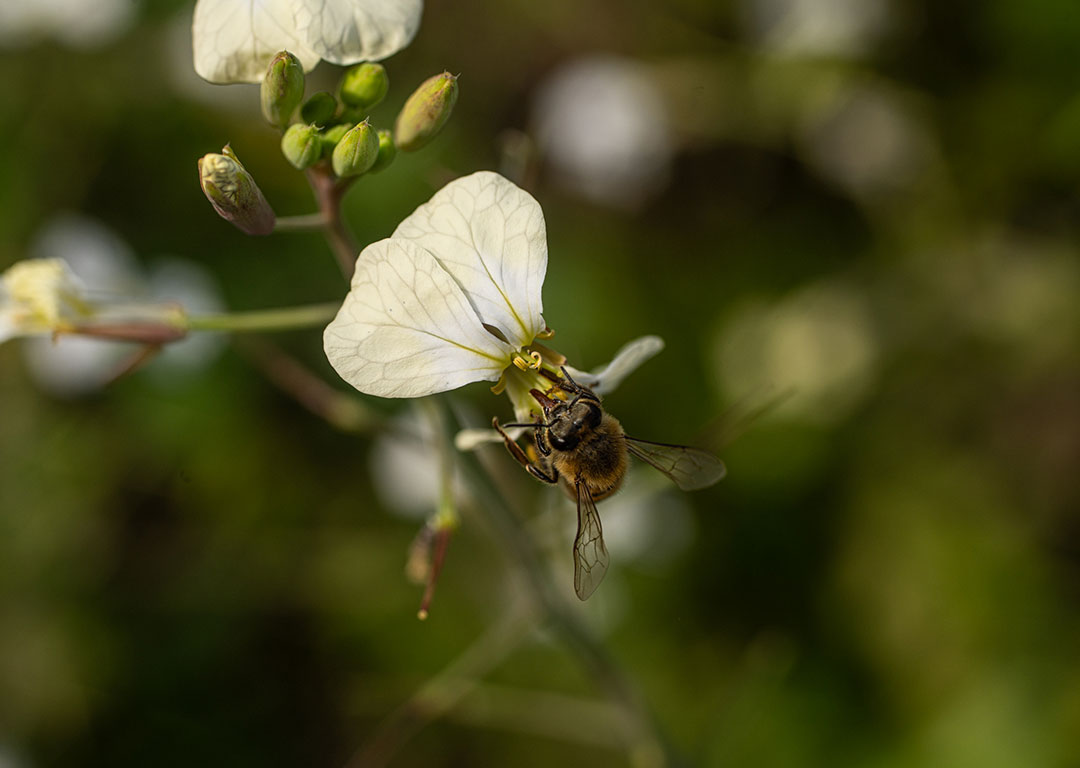
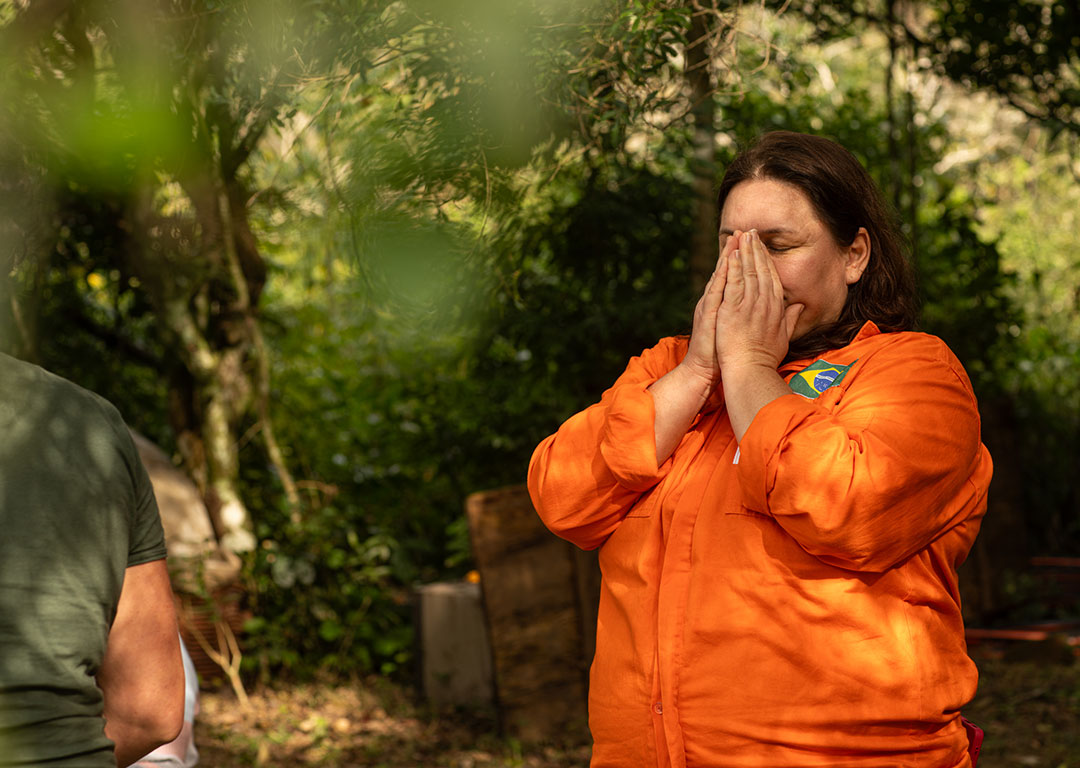
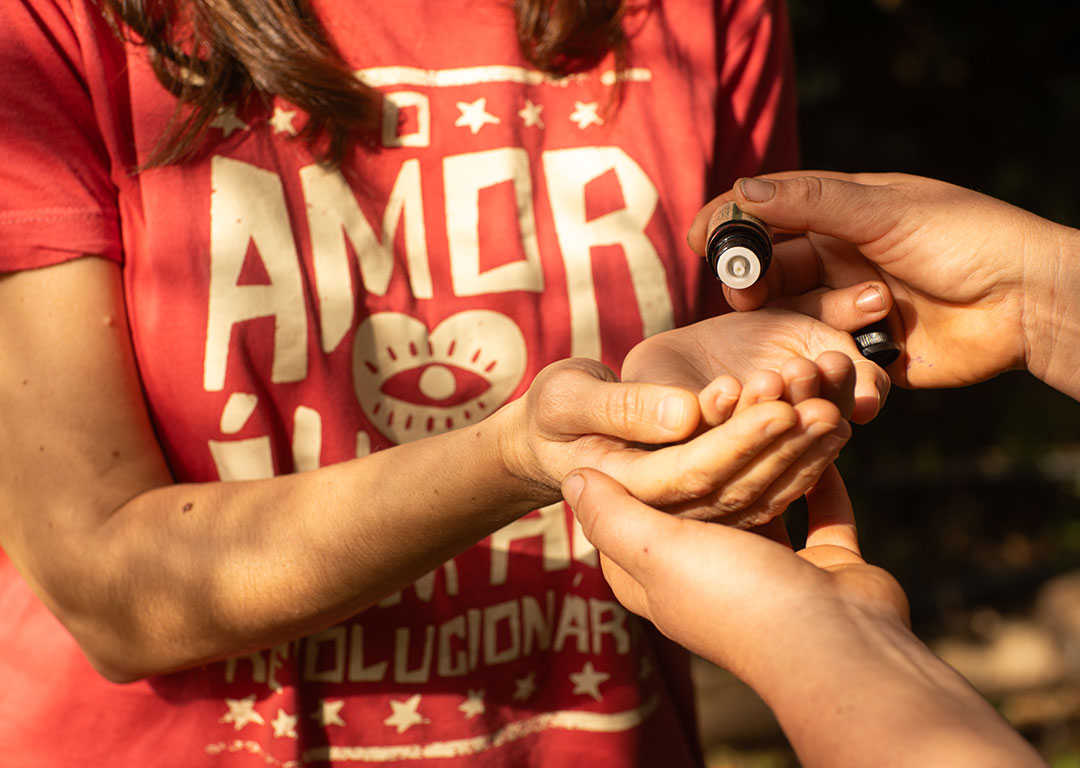
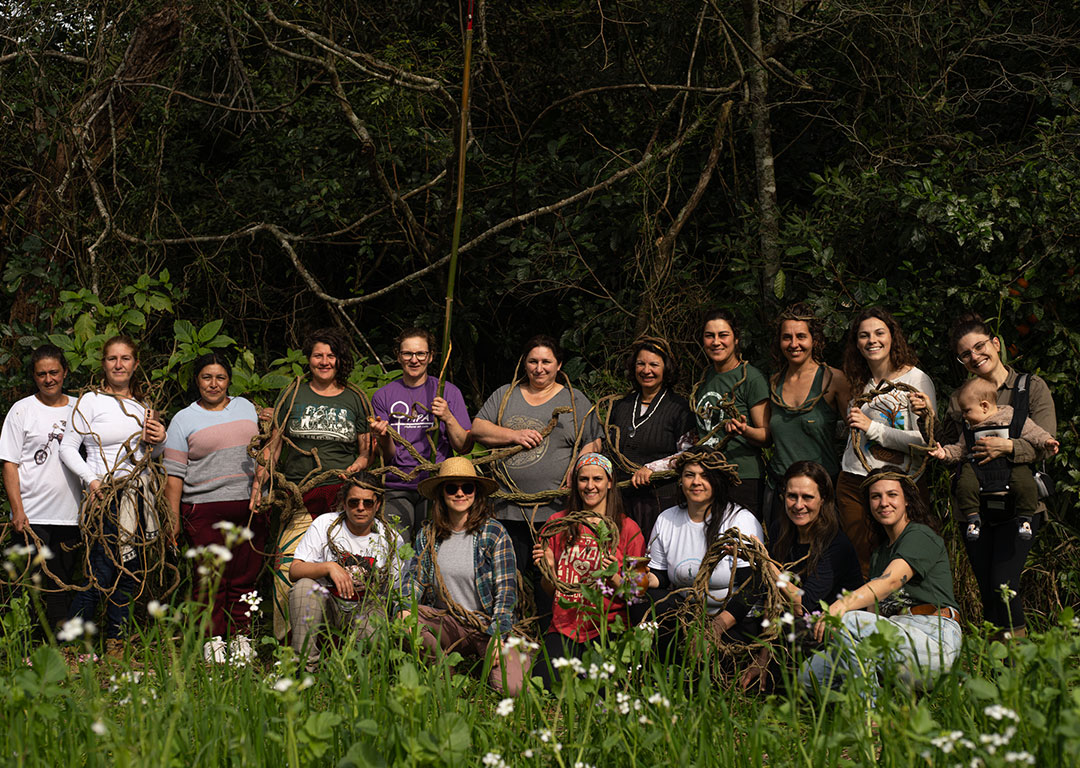
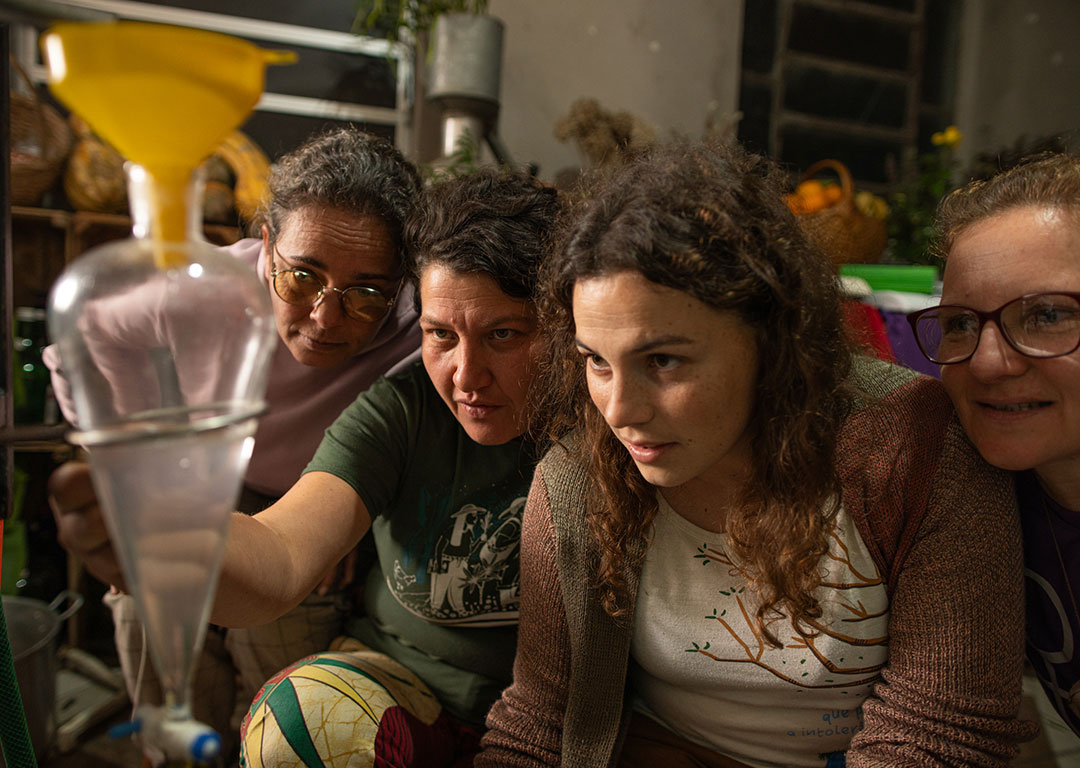
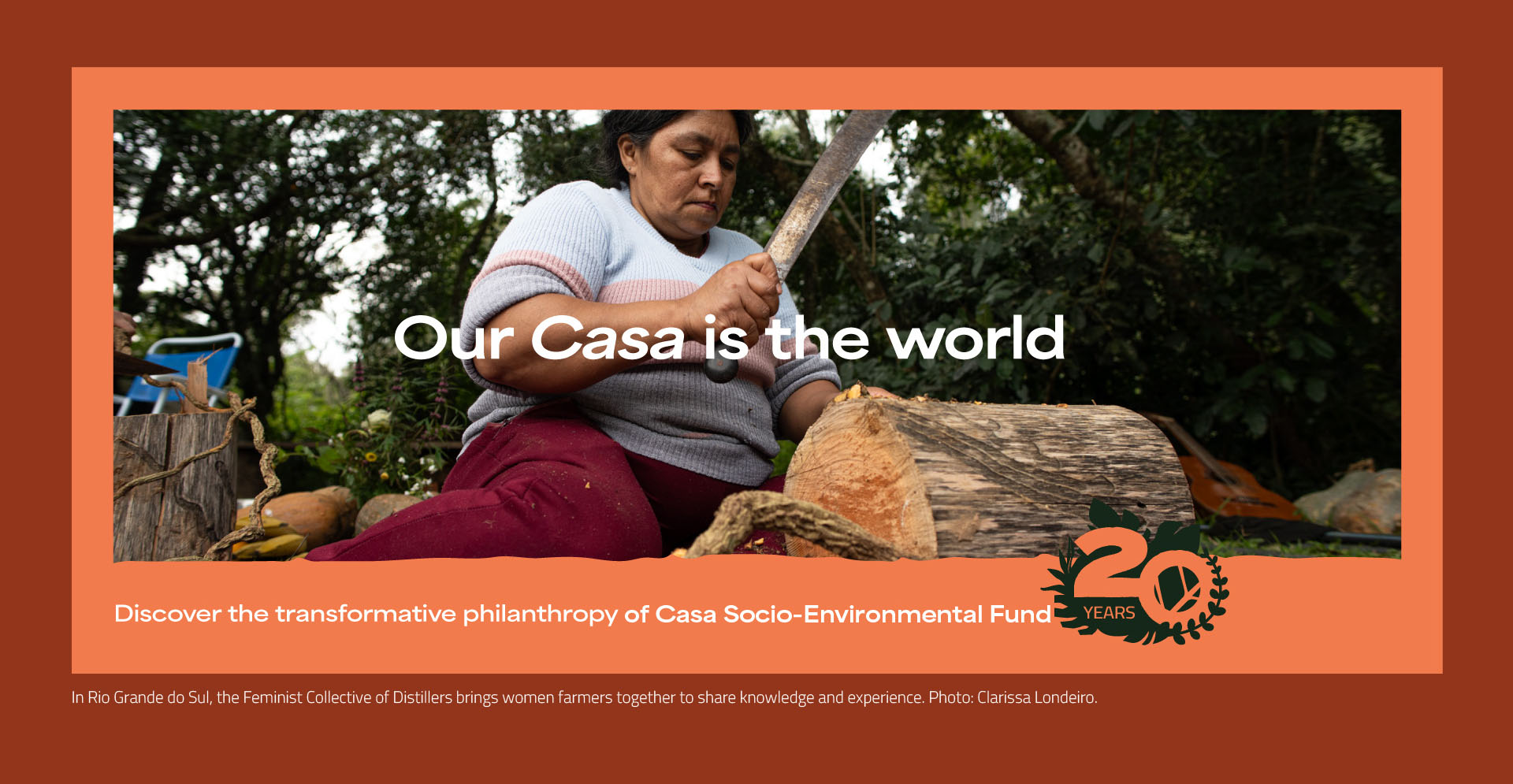
May 2024. Nearly twenty days of rain left much of Rio Grande do Sul under water. When the rain finally stopped, with support from the Casa Socio-environmental Fund, gatherings of the Coletiva Feminista de Destiladoras began to take shape — a network of 25 women dedicated to exchanging knowledge about medicinal plants.
The heart of the workshops is their union around the distiller, the machine that processes herbs and releases essential oils and hydrosols. They share experiences on cultivating medicinal agroforestry systems, on distillation techniques, and on the many uses of the raw material they extract. They also learn to create chemical compositions, optimize processes, and market the diverse products derived from plants more efficiently.
Place: Rio Grande do Sul
Biomes: Pampa and Atlantic Forest
Project: Regenerating Biomes – Women and Medicinal & Aromatic Agroforestry in the Pampa and Atlantic Forest
Photos: Clarissa Londeiro
For the women farmers, the greatest impact of these gatherings lies in mutual empowerment — a way to cope with the scars left by the 2024 disaster. Within the collective, women find pathways to care for one another, and in the fields, they tend to lands marked by the climate crisis, gradually helping to regenerate both the Pampa and the Atlantic Forest.
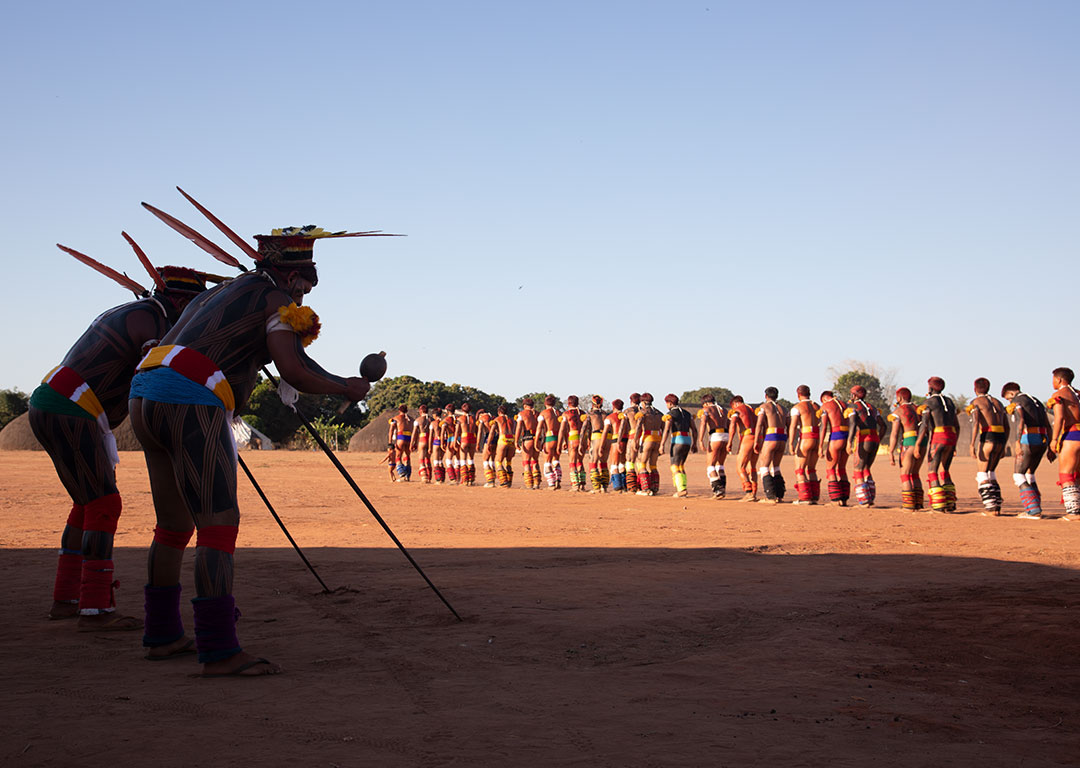
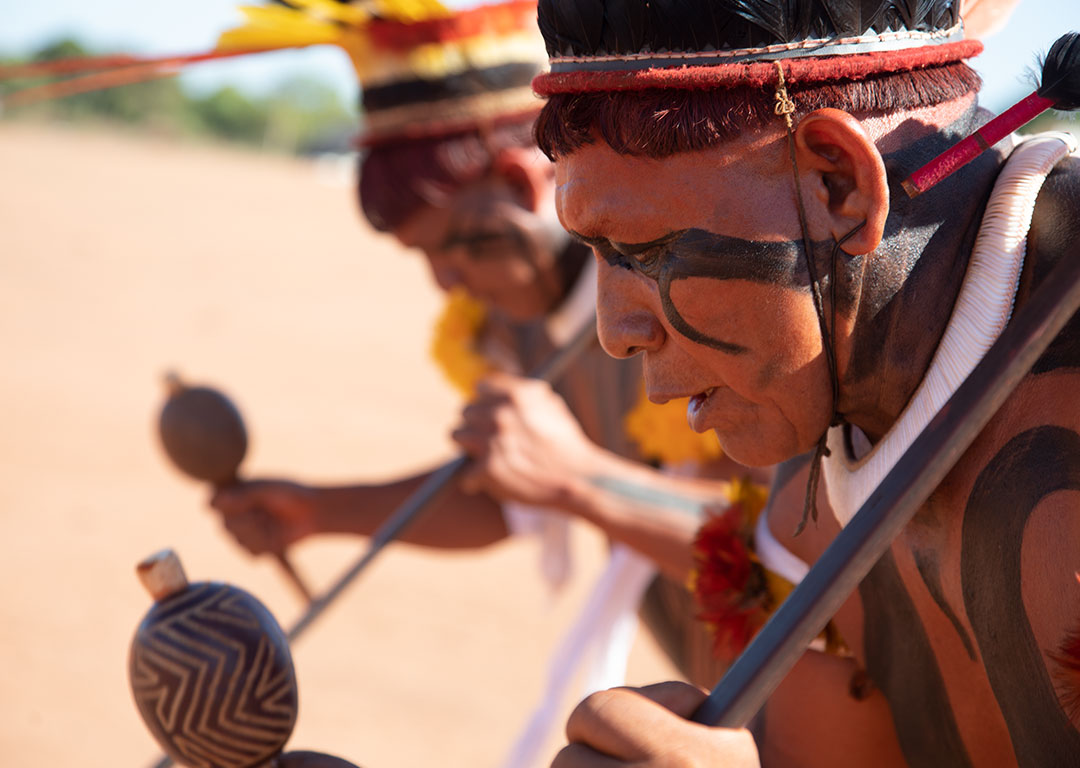
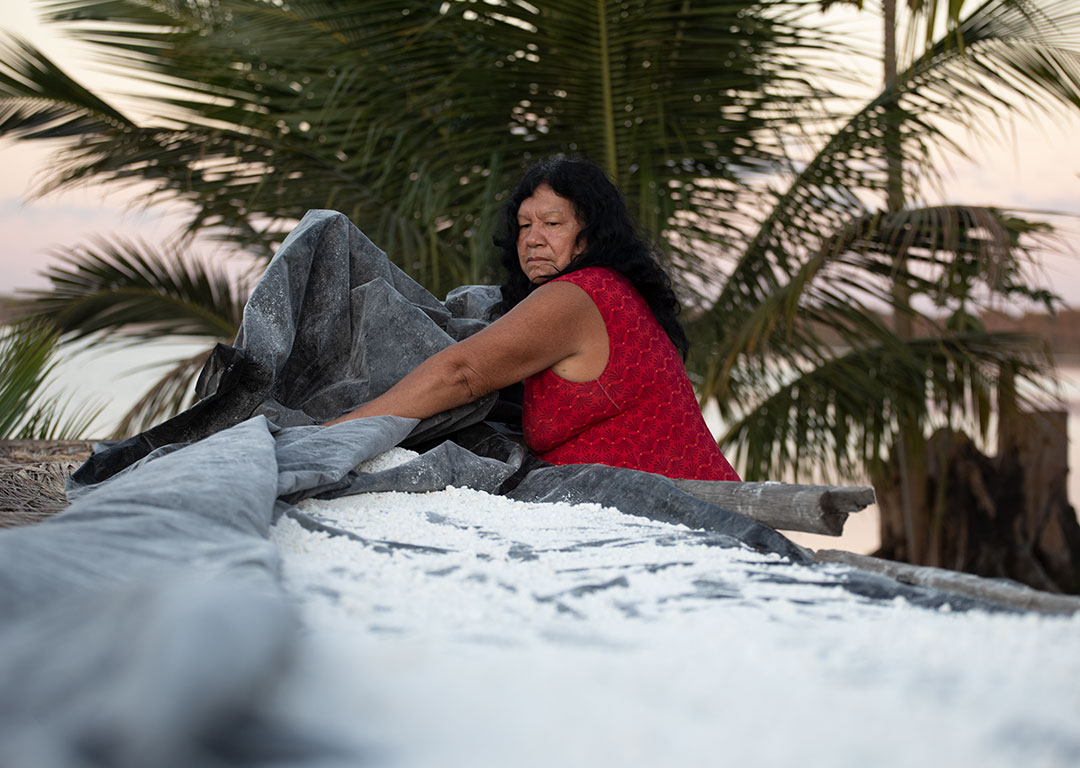
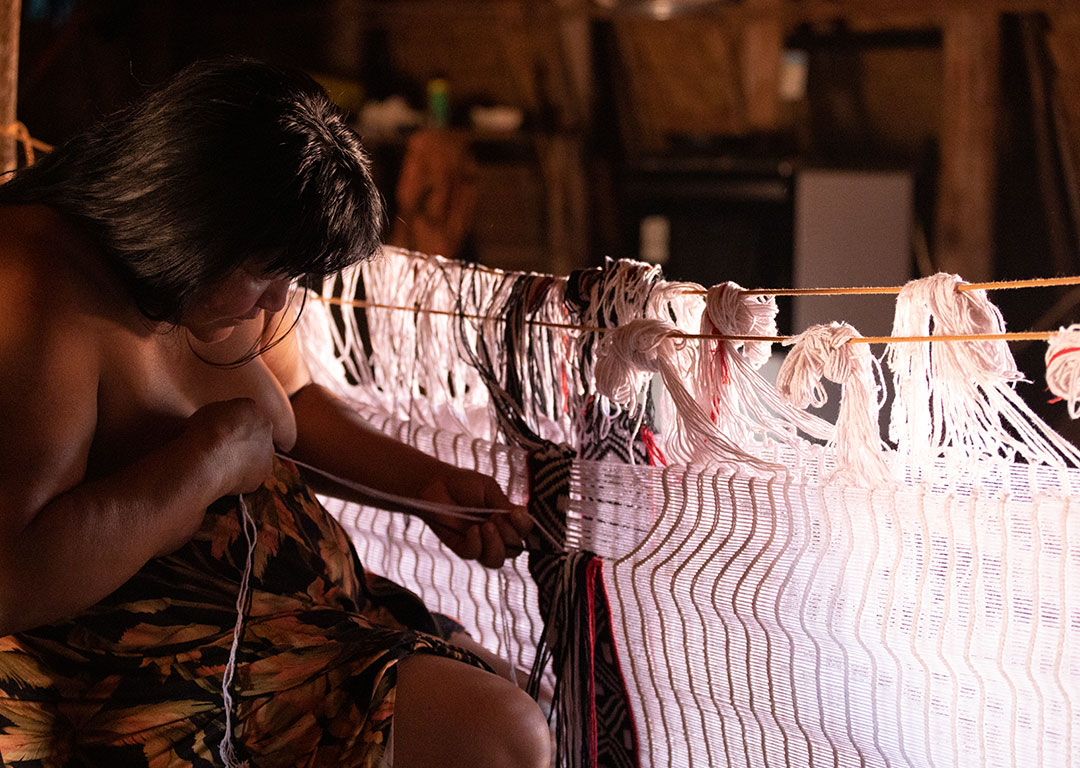
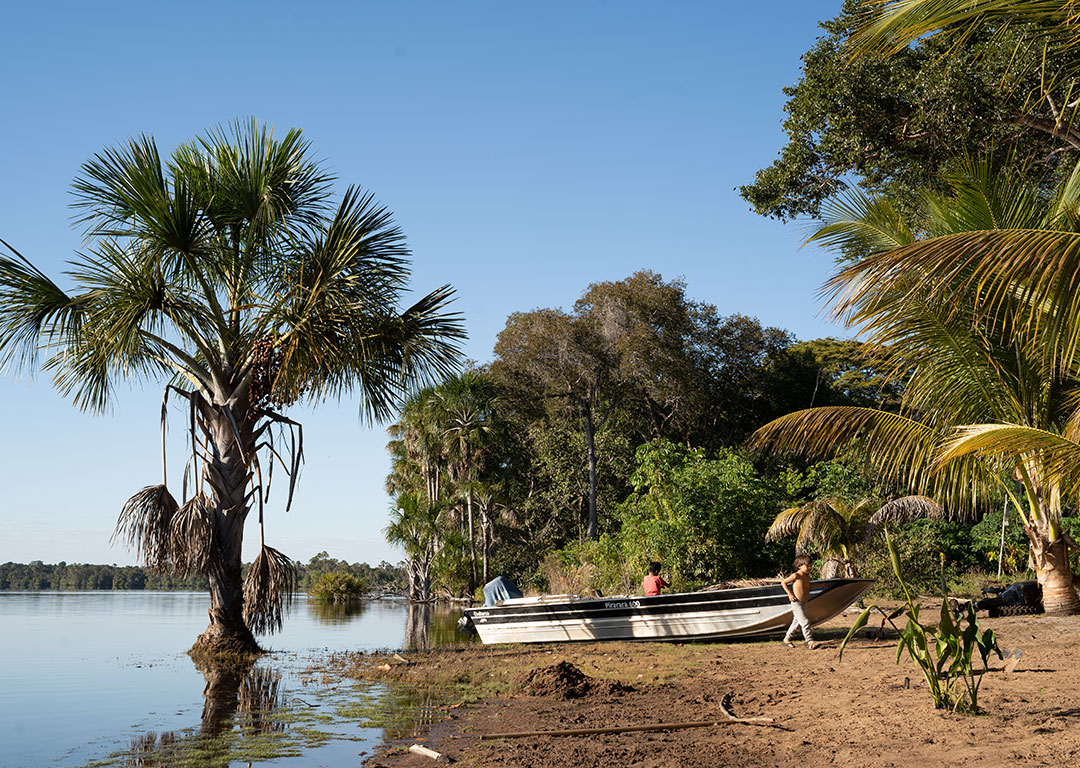
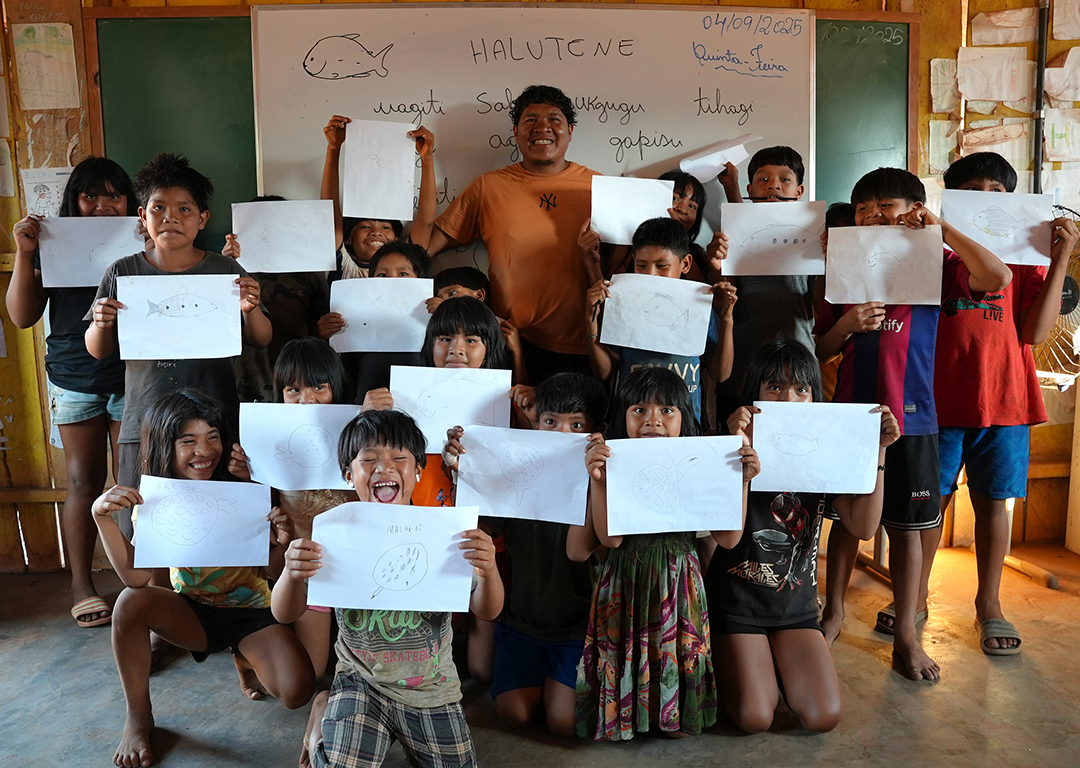
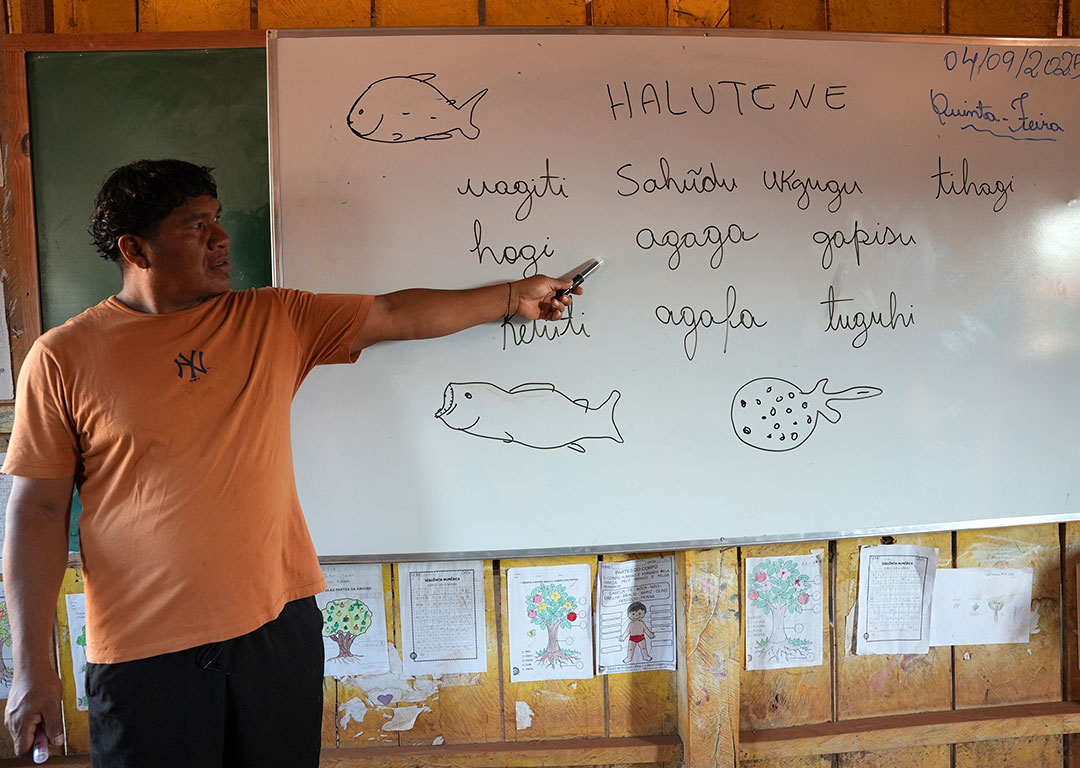
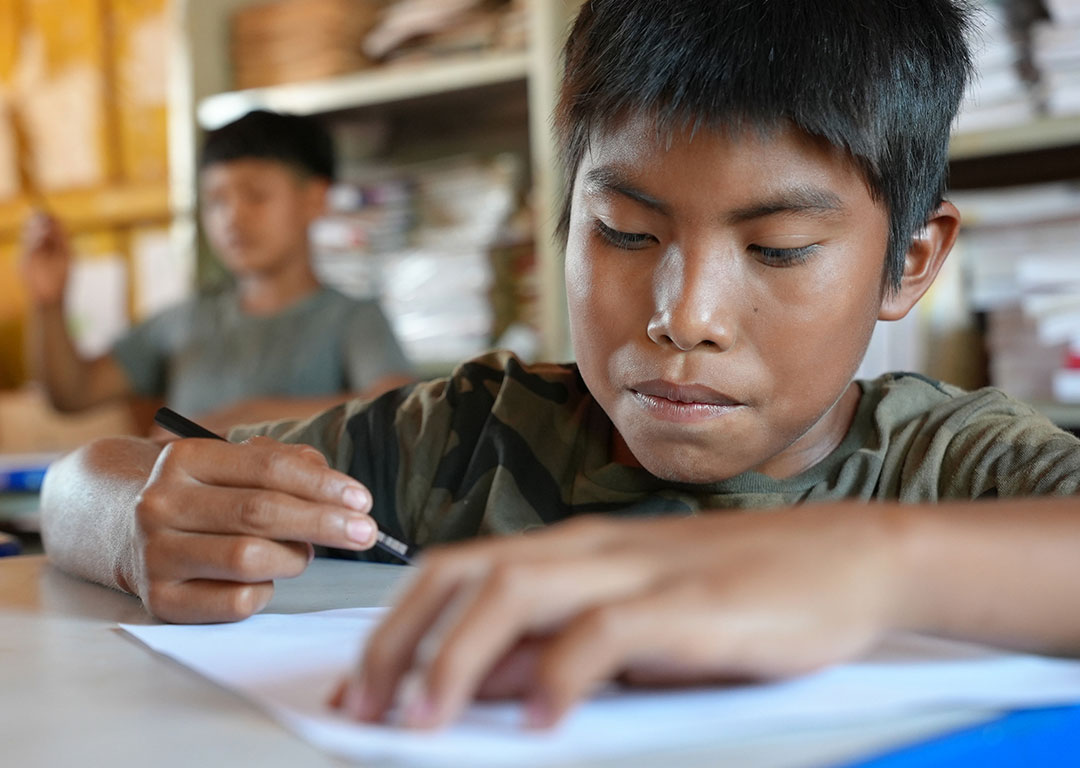
What do the words of a language hold about the culture to which they belong? In the Upper Xingu, Indigenous children learn to read and write in community schools, dividing their time between Portuguese and Kuikuro.
On the other side of the classroom, however, teachers lacked support and resources. Without teaching materials designed for Indigenous peoples, they had to reinvent their own methods of instruction.
Place: Kuikuro Village, Upper Xingu, Xingu Indigenous Park, Mato Grosso.
Biome: Amazon
Project: Ingu helü – Bilingual Literacy Booklet for the Karib Peoples of the Xingu
Photos: Takumã Kuikuro
To strengthen Indigenous education for Kuikuro children, and with support from the Casa Socio-environmental Fund, the booklet Ingu helü was created. Distributed free of charge, it includes illustrations and entries in both Portuguese and Kuikuro, connecting words to the children’s everyday lives in the Xingu.
Inspired by Paulo Freire’s methodology, the booklet preserves more than just the words of a language. The pages of Ingu helü safeguard culture, life, spirituality, and the knowledge of part of Brazil’s Indigenous peoples — so that children may learn to read and write, but above all, recognize and preserve their origins.
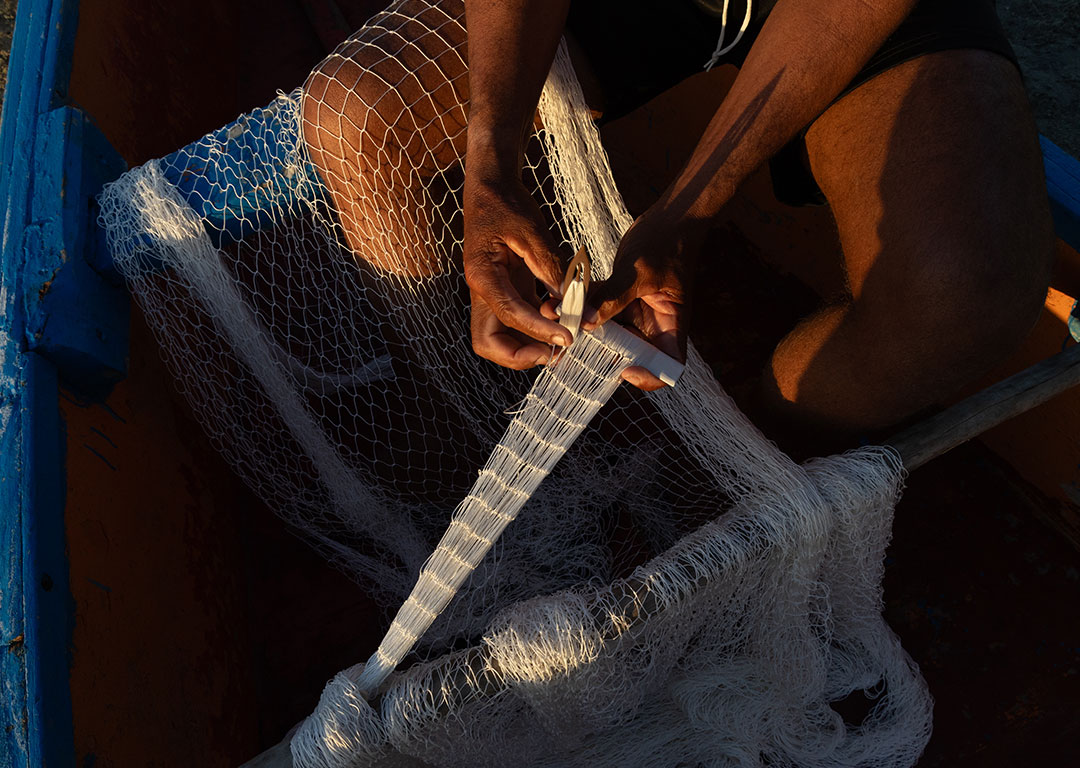
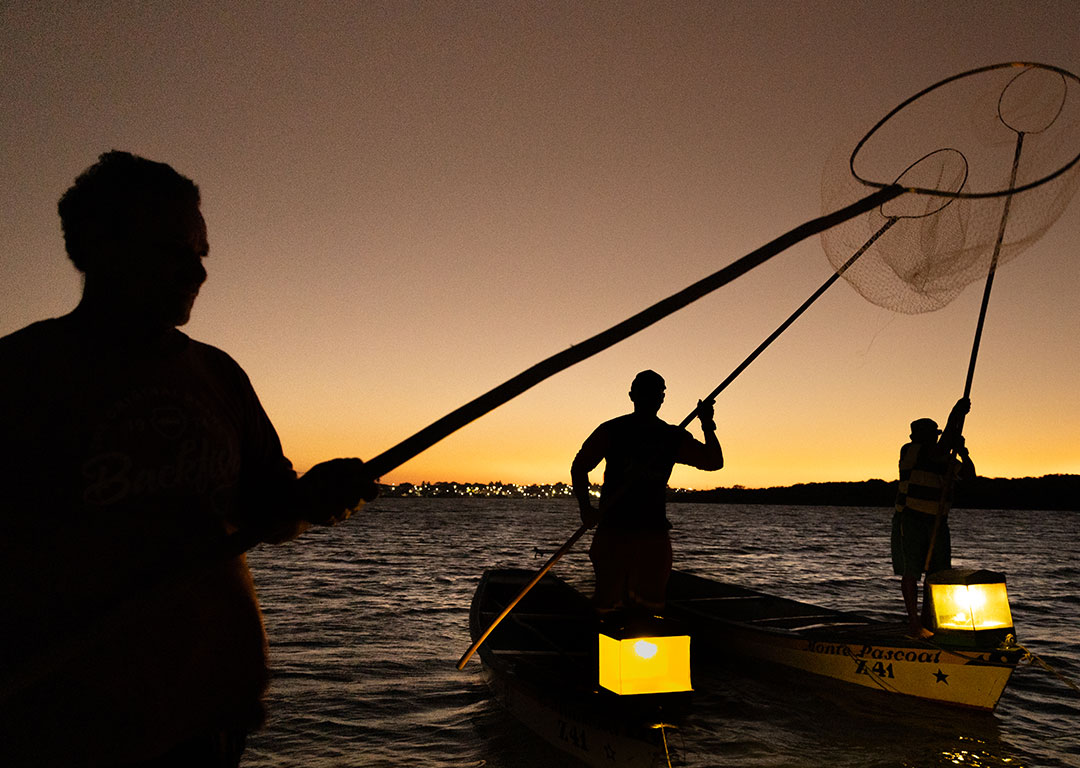
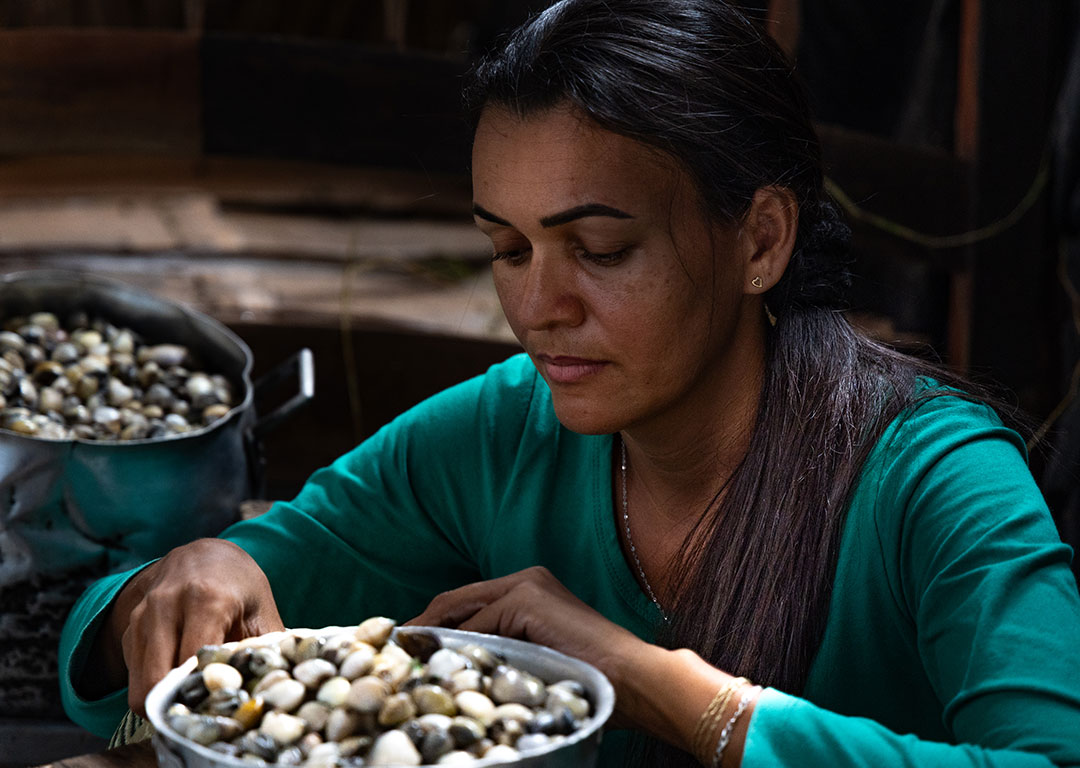
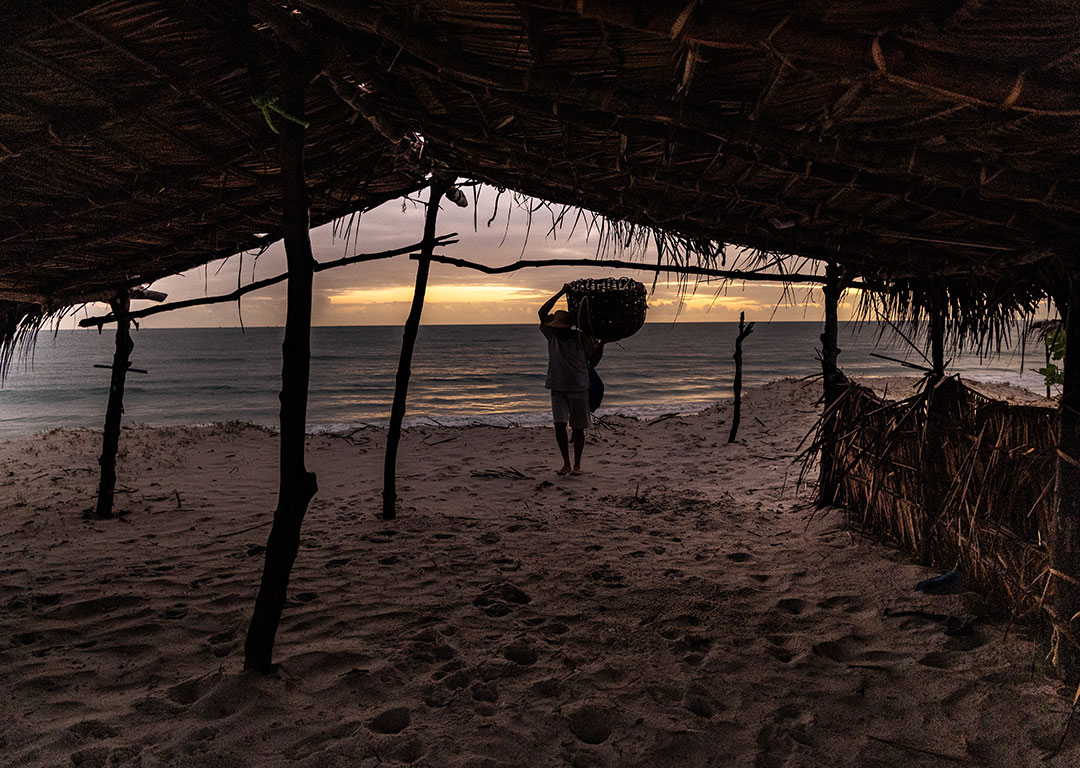
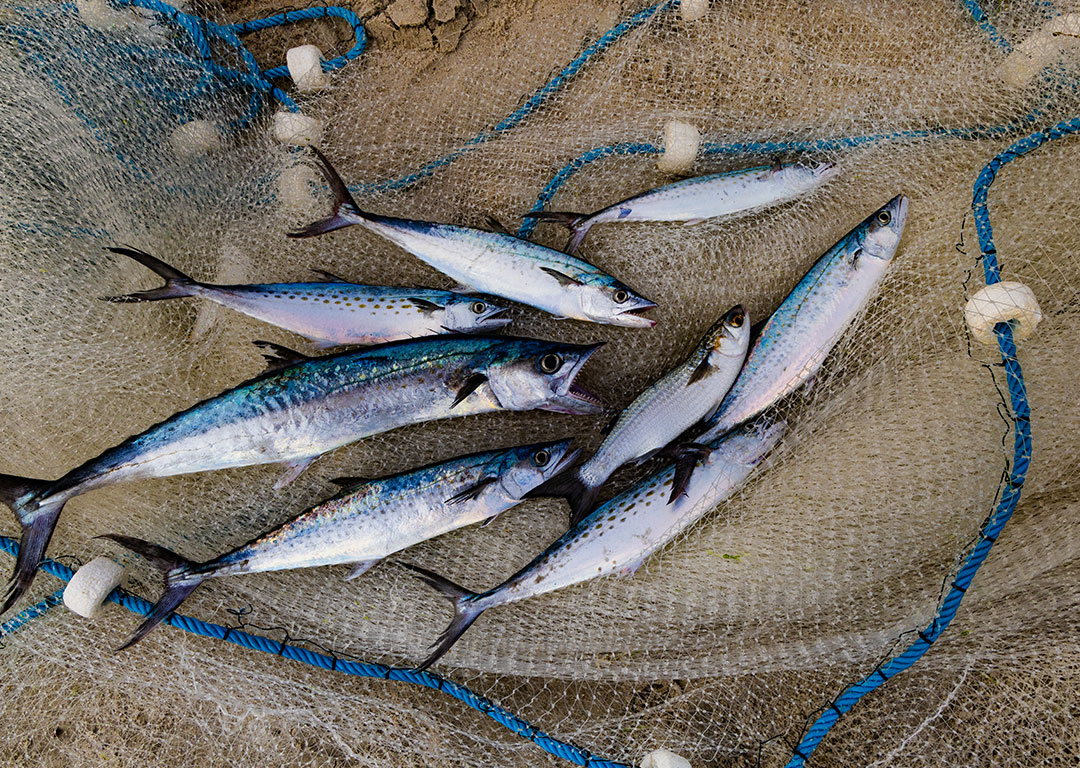
Since the Justice and Peace Commission of the Ponta do Tubarão Sustainable Development Reserve received support from the Casa Socio-environmental Fund, a community currency named “Seahorse” has been in circulation. Here’s how it works: any merchant in the reserve can register for the project. Once enrolled, they begin accepting Seahorses as a means of exchange in their establishments, and residents supported by the Social Fund created by the project can use the new currency to pay for goods and services. For every 100 Seahorses received, merchants must contribute one Seahorse to the Social Bank. Once the currency returns to the Social Bank, the funds are redistributed to the residents of Ponta do Tubarão, creating a new financial cycle.
Place: Ponta do Tubarão Sustainable Development Reserve, Macau, Rio Grande do Norte.
Biomes: Atlantic Forest, Caatinga, and Mangue
Project: Fishermen and Women Shellfish Gatherers Hand in Hand with the Ponta do Tubarão SDR
Photos: Araquém Alcântara
The creation of the currency, the bank, and the fund serves a greater purpose: to preserve the traditional ways of life in the Ponta do Tubarão Reserve. The region maintains artisanal fishing and shellfish harvesting practices. Generating income for fishers and shellfish gatherers, therefore, is a way to ensure the community’s survival and to keep alive the knowledge of coastal life.
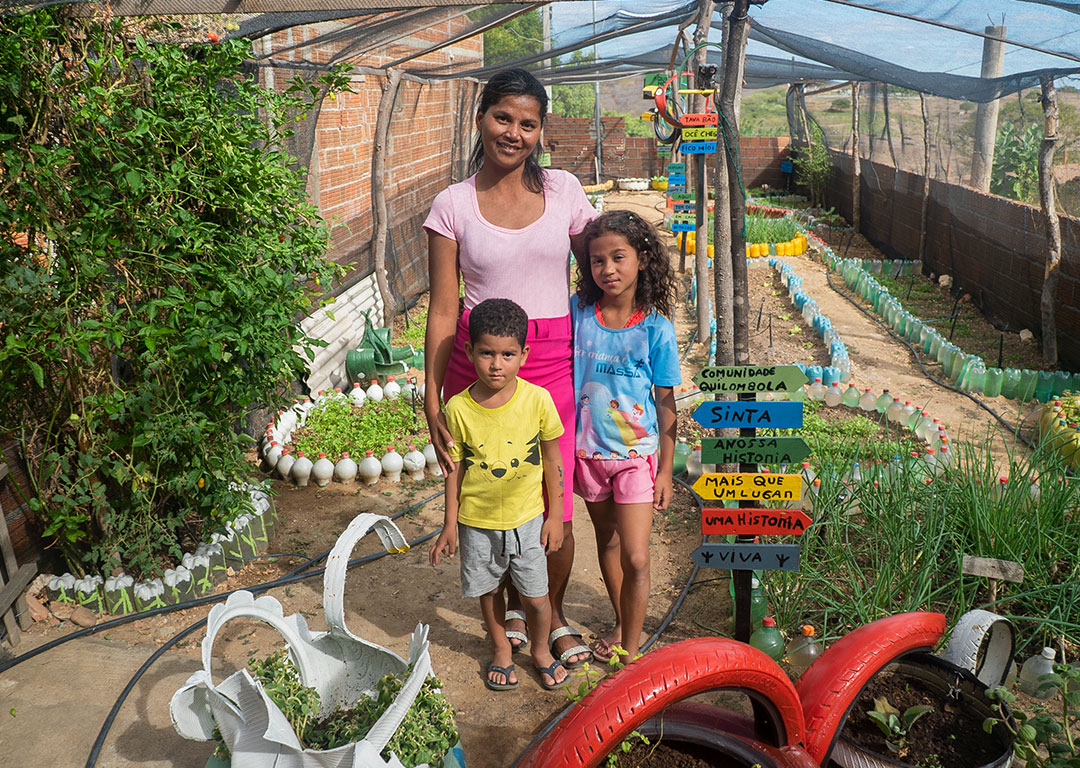
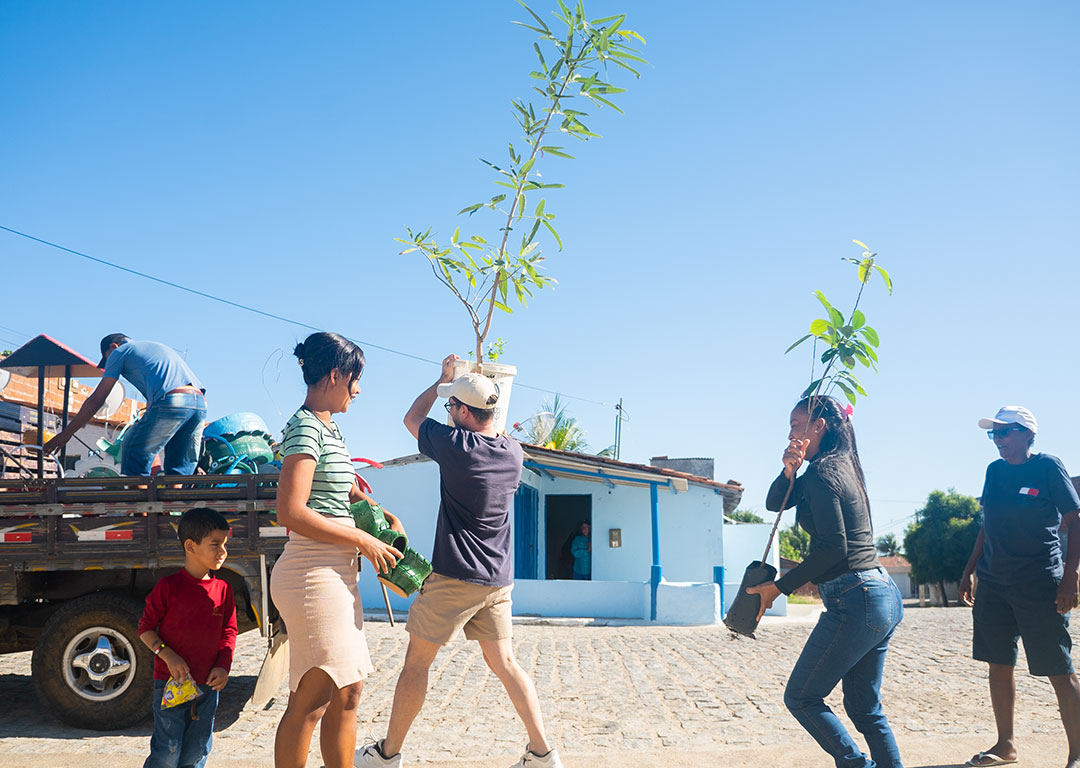
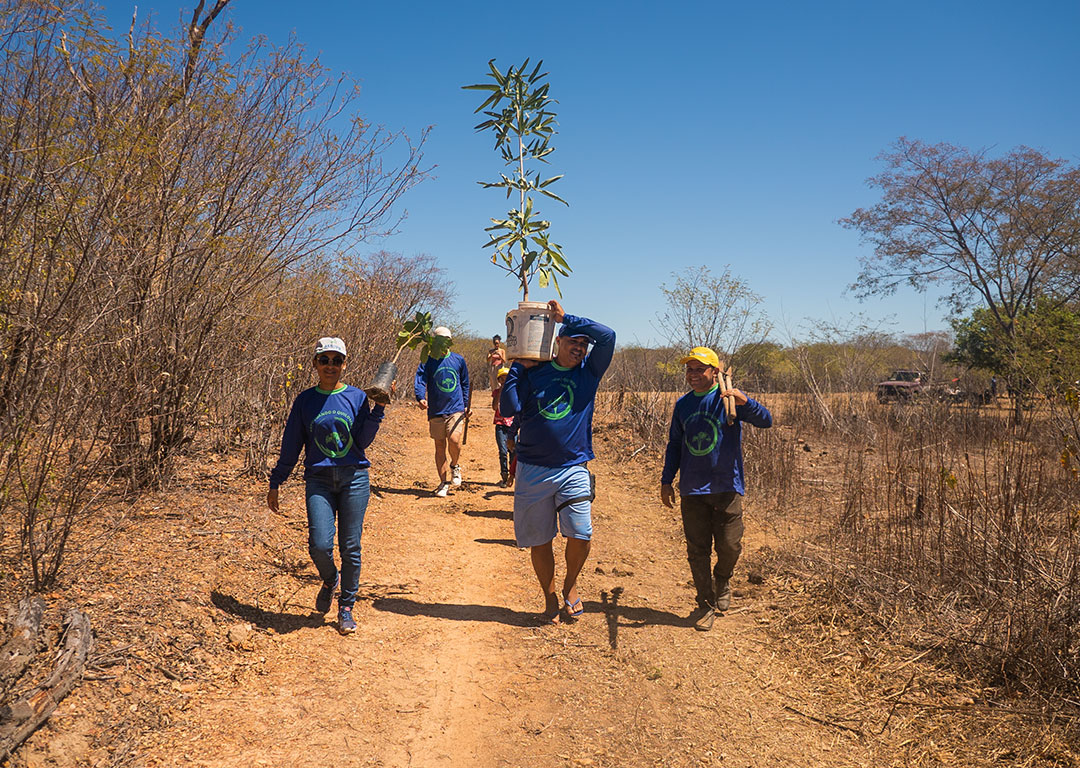
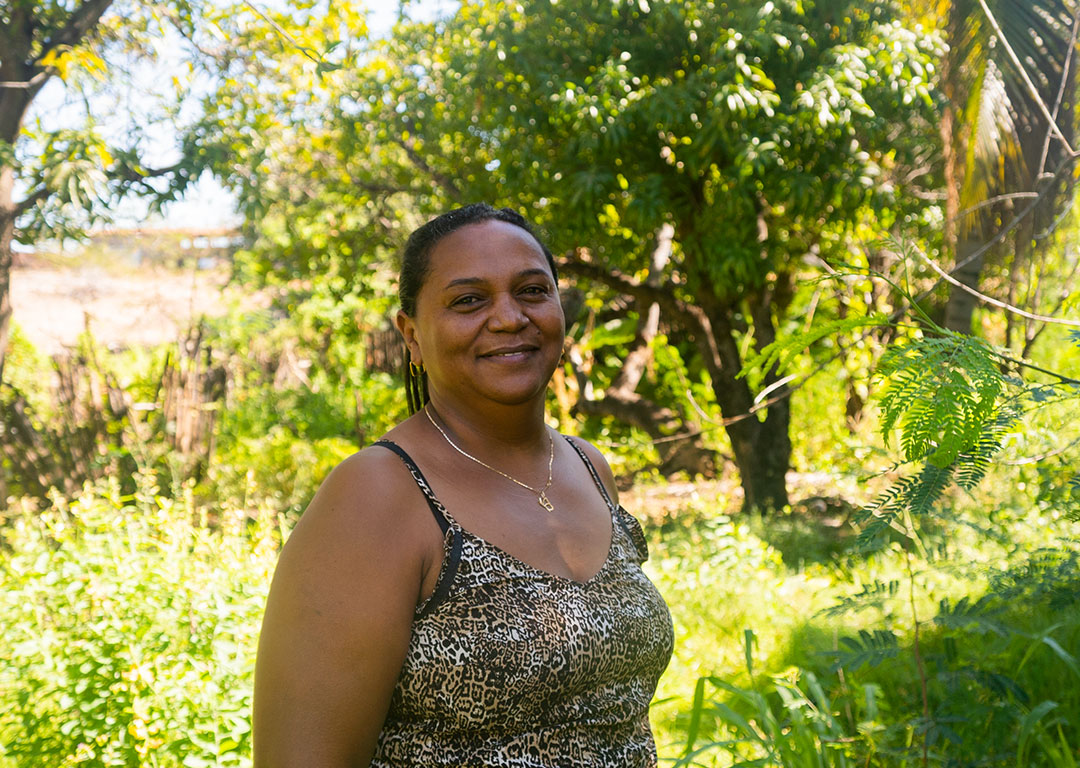
In Coremas, in the Paraiban Caatinga, lives an entire world of knowledge. There lies the Santa Tereza quilombo, where, from generation to generation, knowledge has been accumulated about plants, farming, and the medicines offered by the nature.
It was also in Santa Tereza that the first socio-environmental project proposed by the community — and supported by the Casa Socio-environmental Fund — was born. With the resources provided, women dedicate themselves to working in gardens and fields. They cultivate vegetables and medicinal herbs, which are sold directly to consumers or to the local market in Coremas, without intermediaries.
Place: Coremas, Paraíba.
Biome: Caatinga
Project: Quilombola Women: Harvesting Food and Nurturing Communities in the Upper Sertão of Paraíba
Photos: Ingrid Veloso
To share their knowledge about plants, they also hold workshops for other women interested in adopting these cultivation techniques. In the eyes of their students, the women of Santa Tereza see their own work valued, which in turn inspires more residents of the region. In the words of Ana Tomaz, a quilombola woman supported by the project: “Through the garden, they are beginning to see us.”
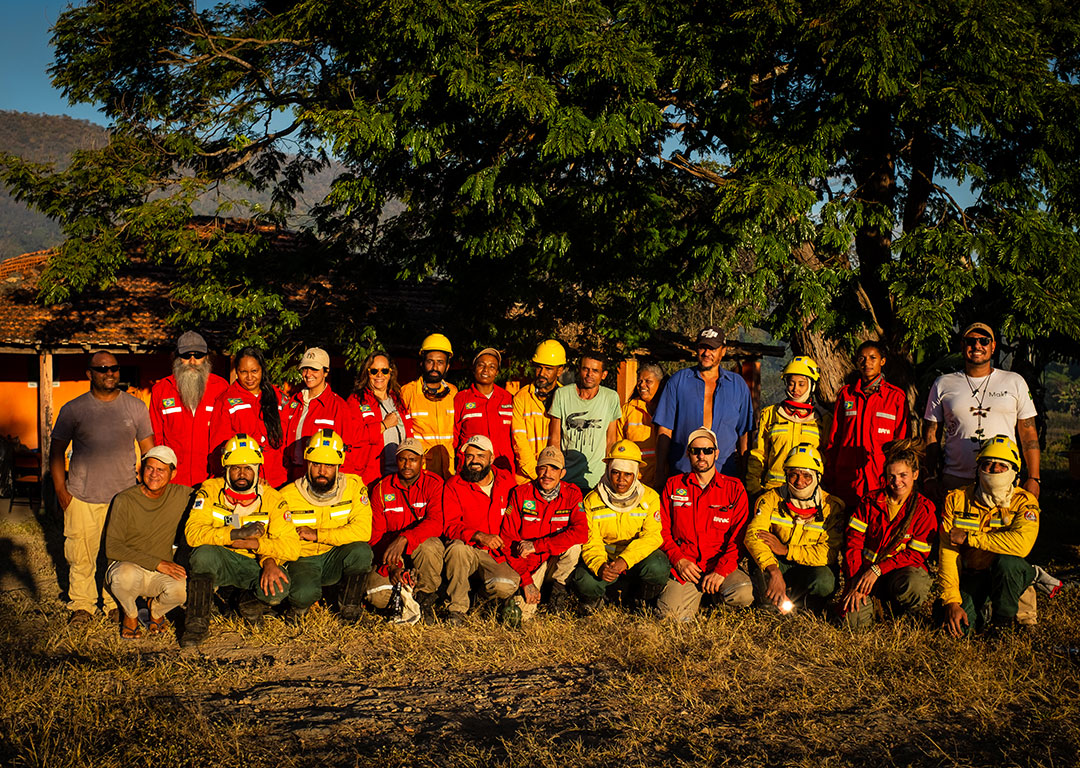
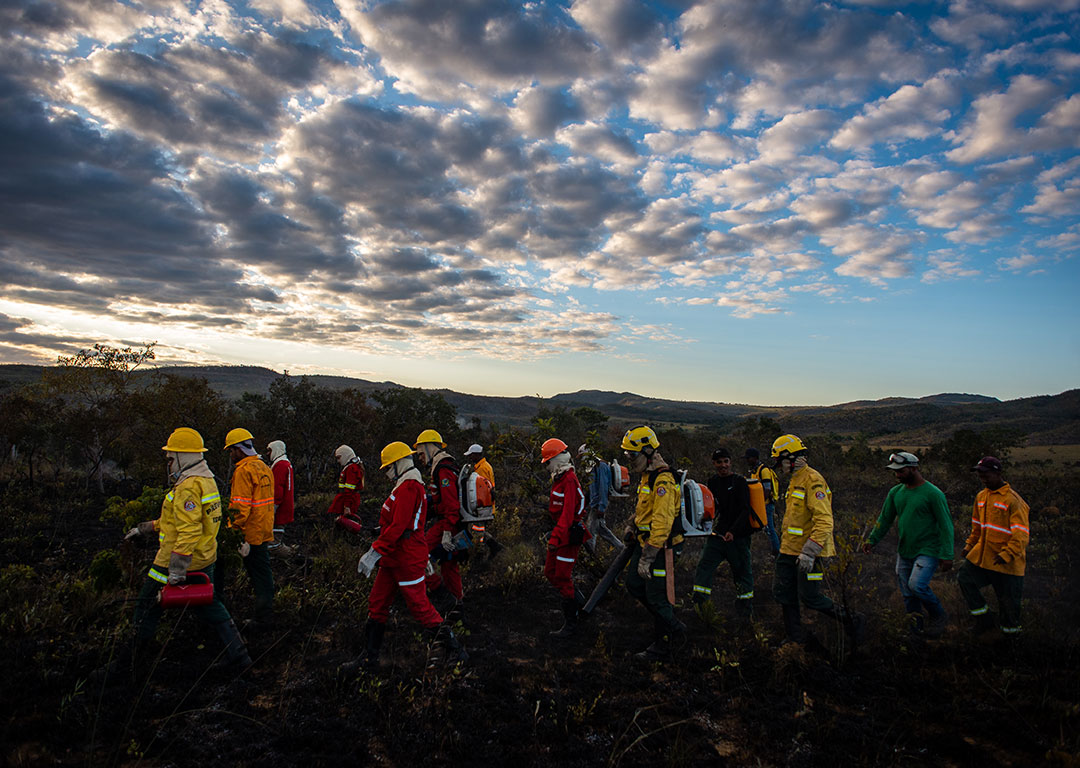
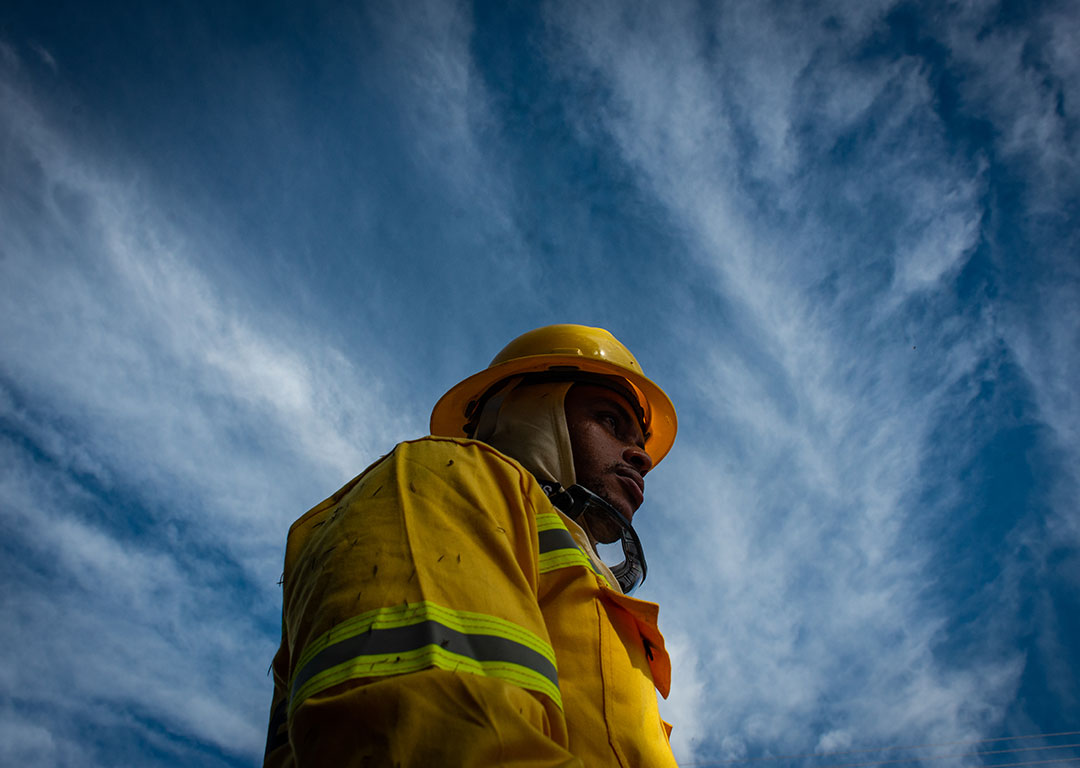
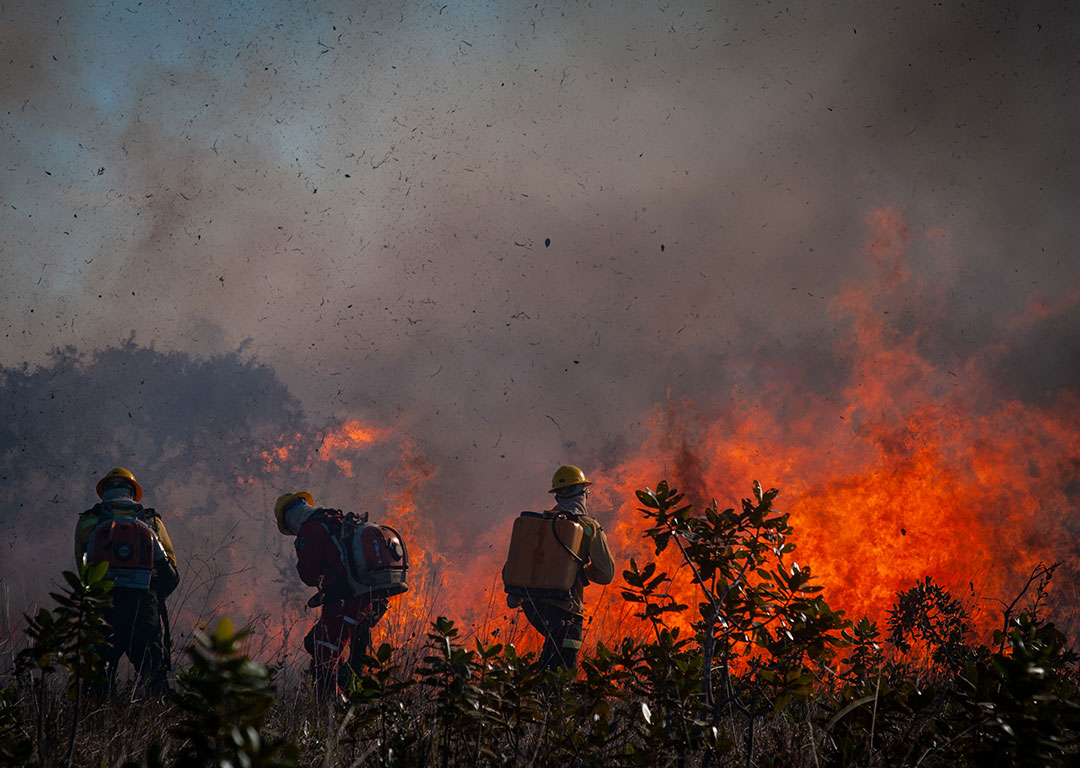
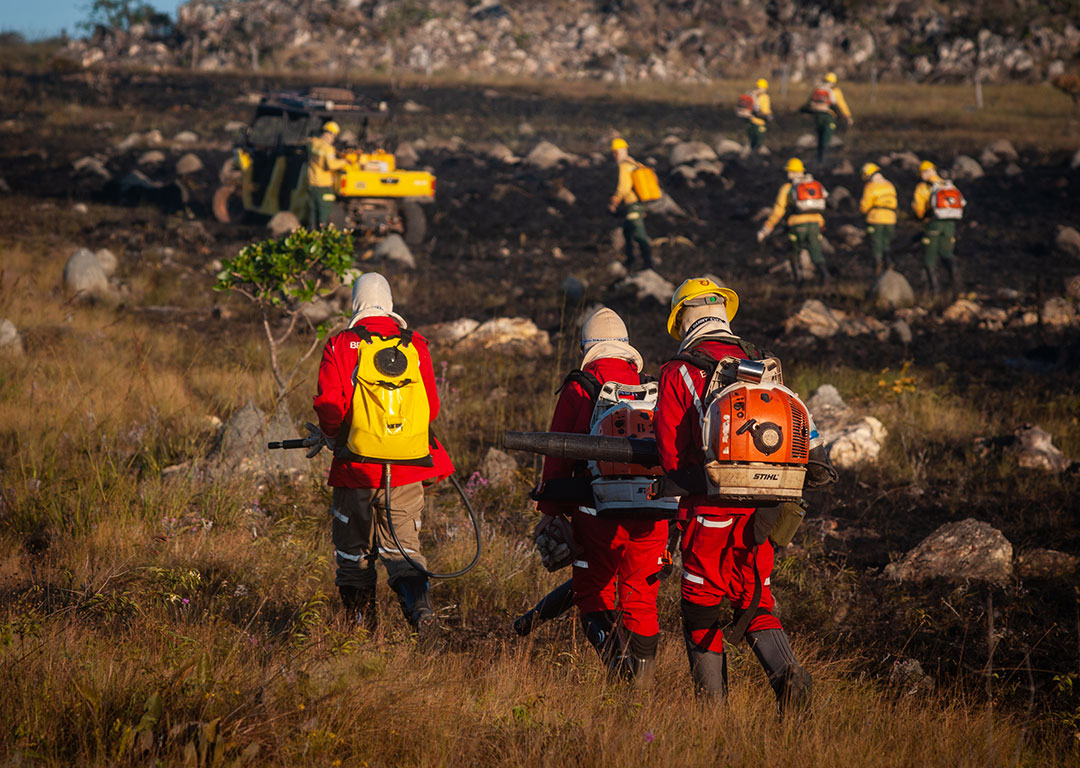
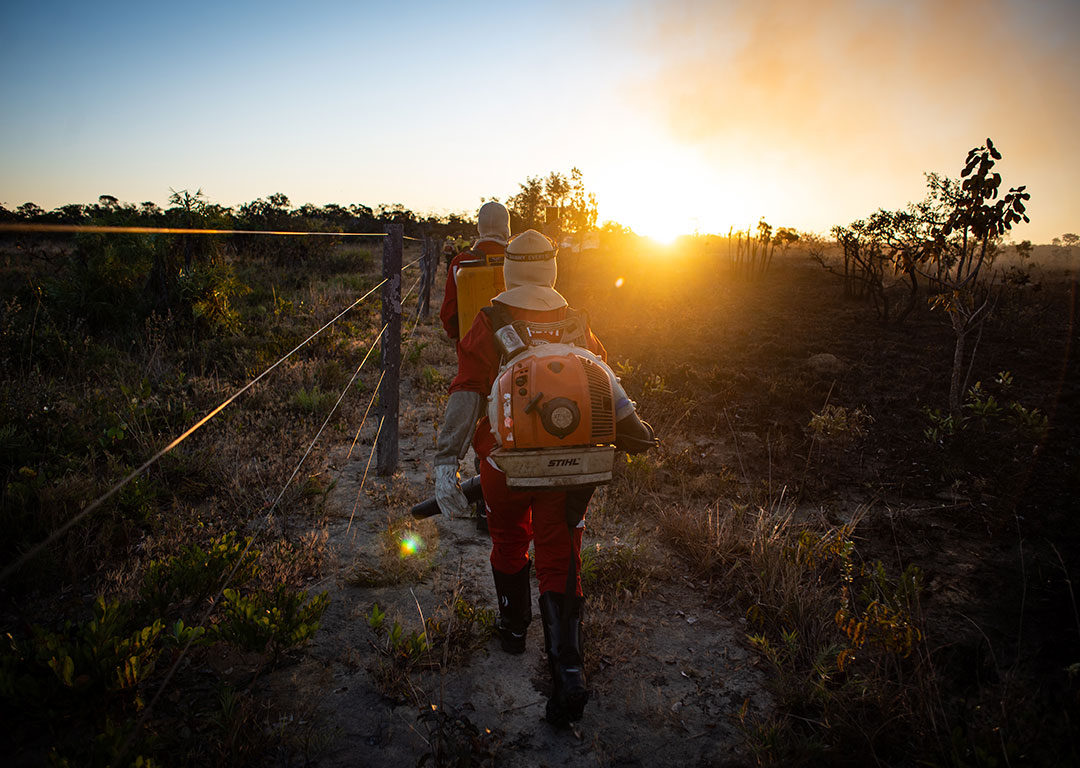
The Cavalcante Volunteer Environmental Brigade (Brivac) was born out of urgency. Tour guides in the town would abandon their work whenever fire spread through the Chapada dos Veadeiros. Without protective equipment or training, they fought the flames as best they could.
In 2017, when wildfires reached unprecedented proportions, the guides received their first support from the Casa Socio-environmental Fund. Brivac was then able to invest in proper equipment to protect the brigadiers and help extinguish the fire as quickly as possible.
Place: Cavalcante, Chapada dos Veadeiros, Goiás.
Biome: Cerrado
Project: Various projects supported by Casa Socio-environmental Fund
Photos: Arthur Monteiro
With further support and proper training, members of the organization began training rural residents so they could initiate firefighting safely when the flames arrived. In this way, several new volunteer fire brigades were created throughout the Chapada.
With additional partnerships, the organization participated in national and international gatherings of brigades, invested in environmental education, and founded Brazil’s first Fire Museum.
There, they teach how communities in the Cerrado have learned to manage fire safely and effectively, renewing the biome’s life cycle and shaping today’s relationship between people and fire.
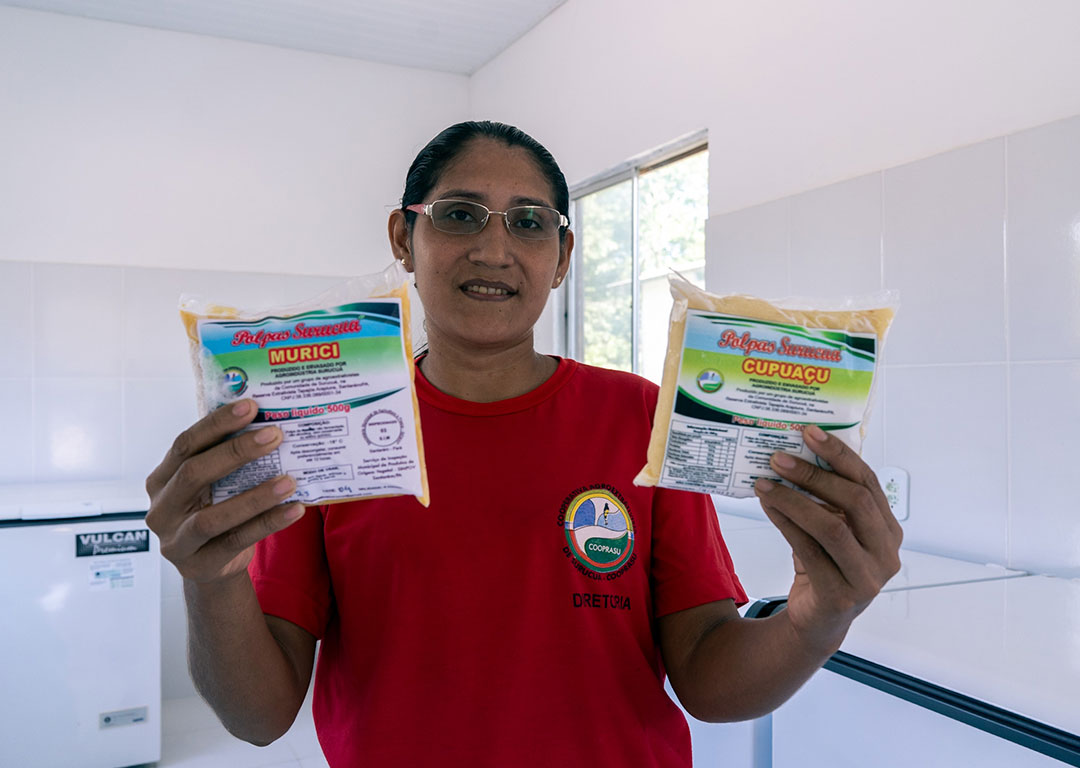
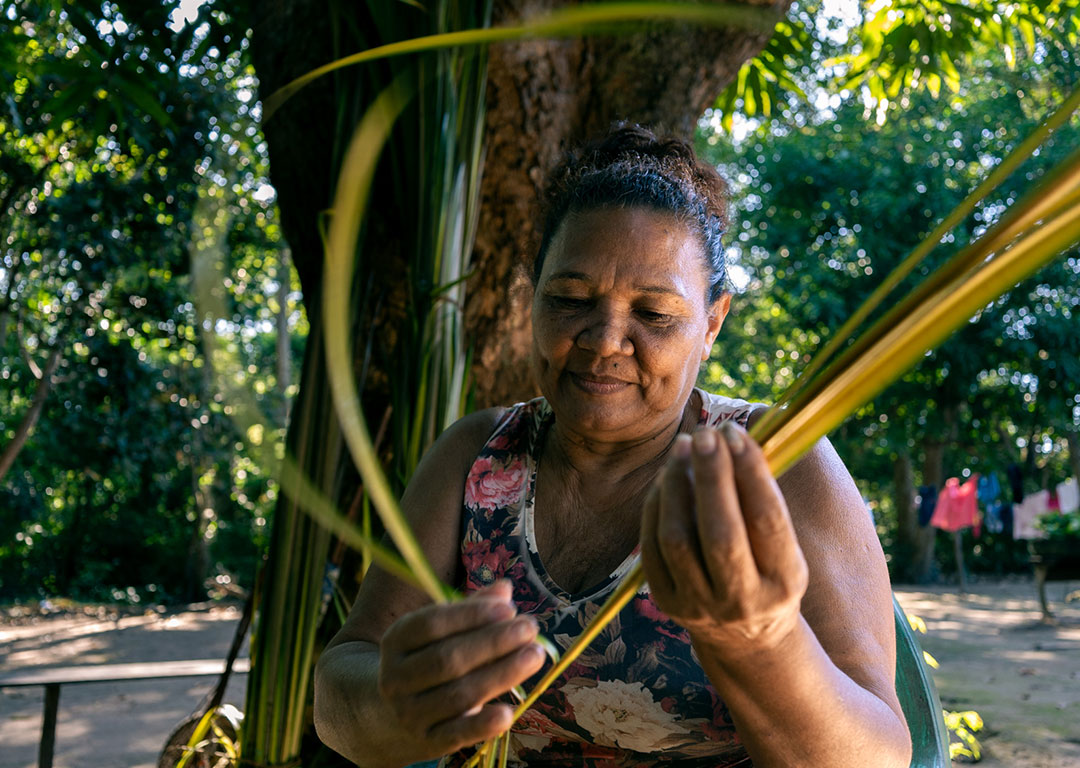
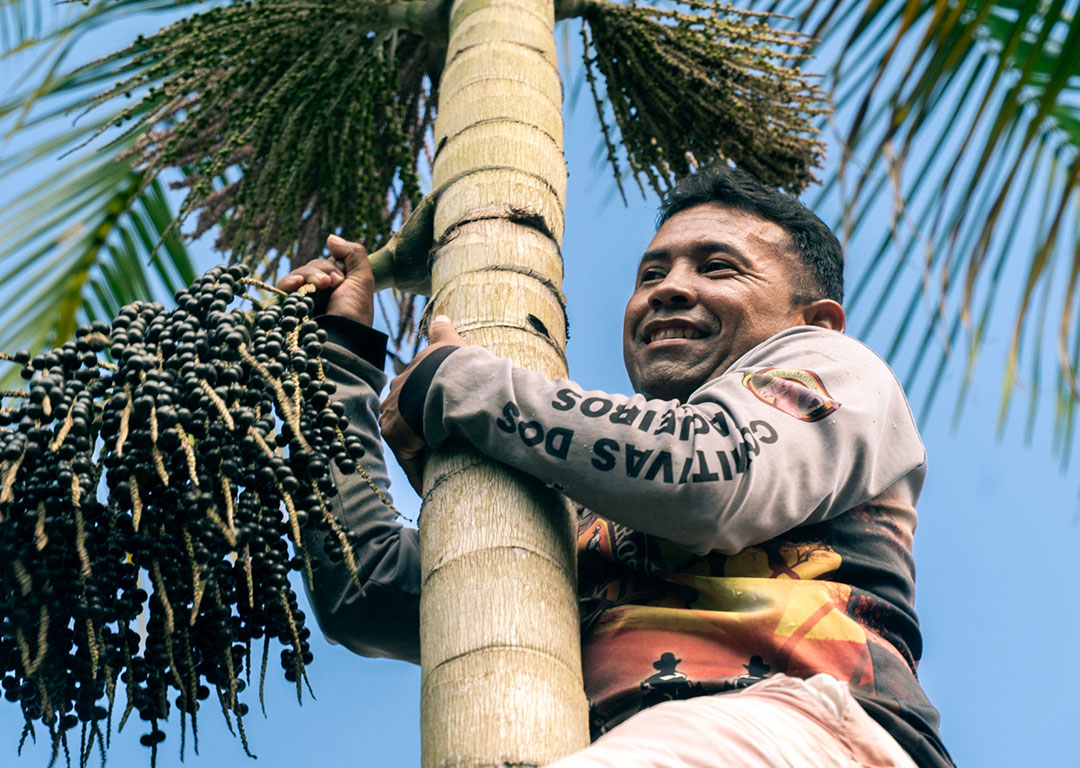
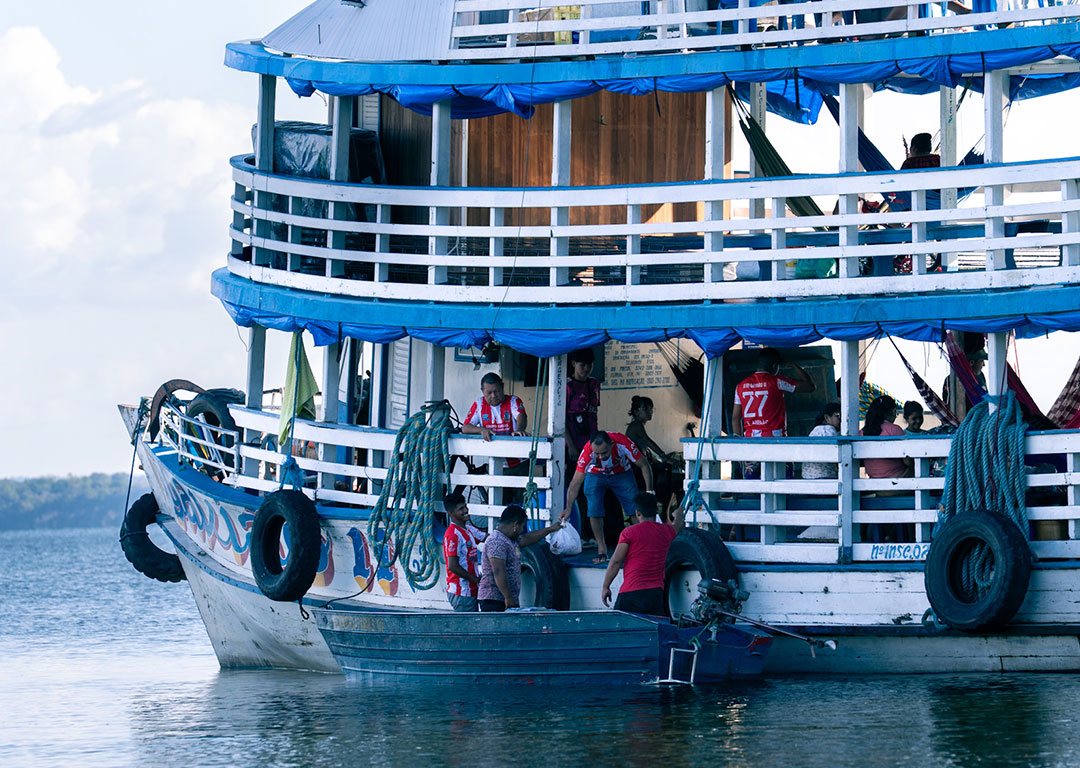
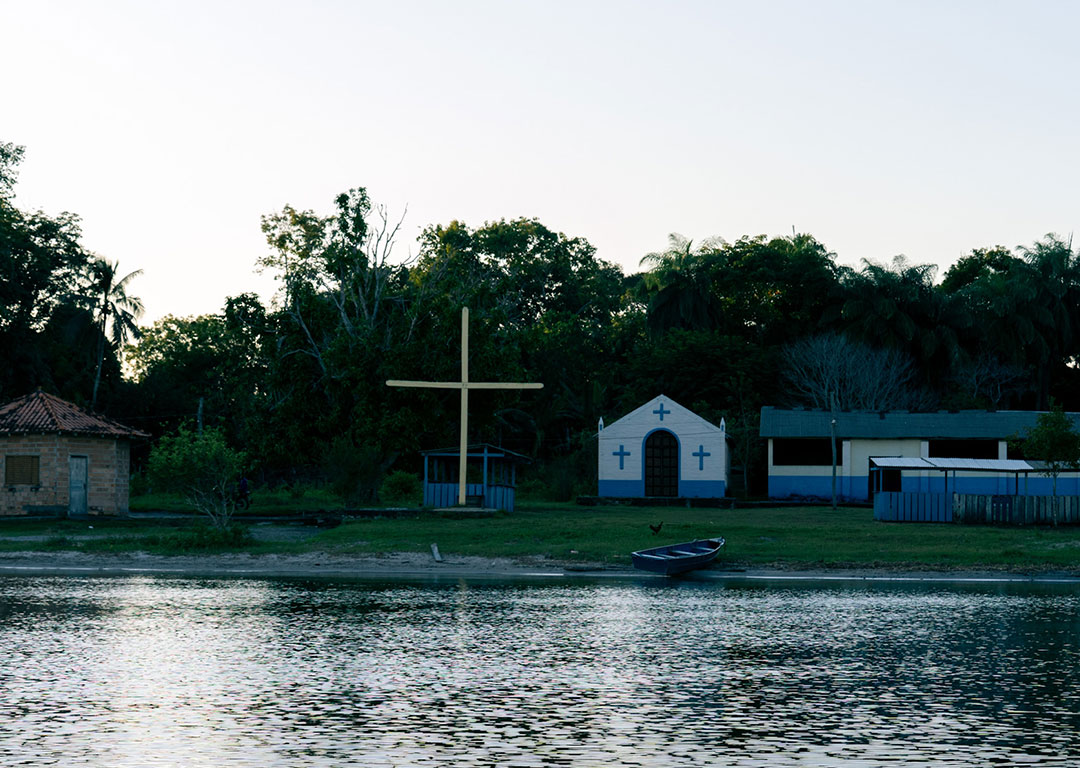
On the banks of the Tapajós River, in Pará, an abundance of Amazonian fruits was once cultivated in the backyards of the Surucuá community. The long distances to the nearest city, however, prevented production from going beyond the village, and the surplus often went to waste.
In 2020, the community envisioned a new path. With support from the Casa Socio-environmental Fund, they founded the Surucuá Agroextractive Cooperative (Cooprasu). By investing in machinery, they began processing and freezing the fruits, which, once chilled, could travel down the river to the city of Santarém — reaching final consumers without intermediaries.
Place: Surucuá, Pará
Biome: Amazon
Project: WOMEN: Resilience, Perseverance, and Hope in the Forest
Photos: Priscila Tapajowara
The cooperative’s work grew quickly. New support enabled the construction of artesian wells, which today supply water to community households as well as the Forest Agroindustry. Their horizons expanded even further: committed to regenerating the Amazon, they began planting fruit tree seedlings to reforest areas degraded by extractivism, mining, or fire.
Here, dreams are clearly drawn: that their children leave the community to study, discover new worlds, and gain new knowledge — and that one day they return home, proud of where they come from, to share their experiences and help Surucuá reach new horizons.
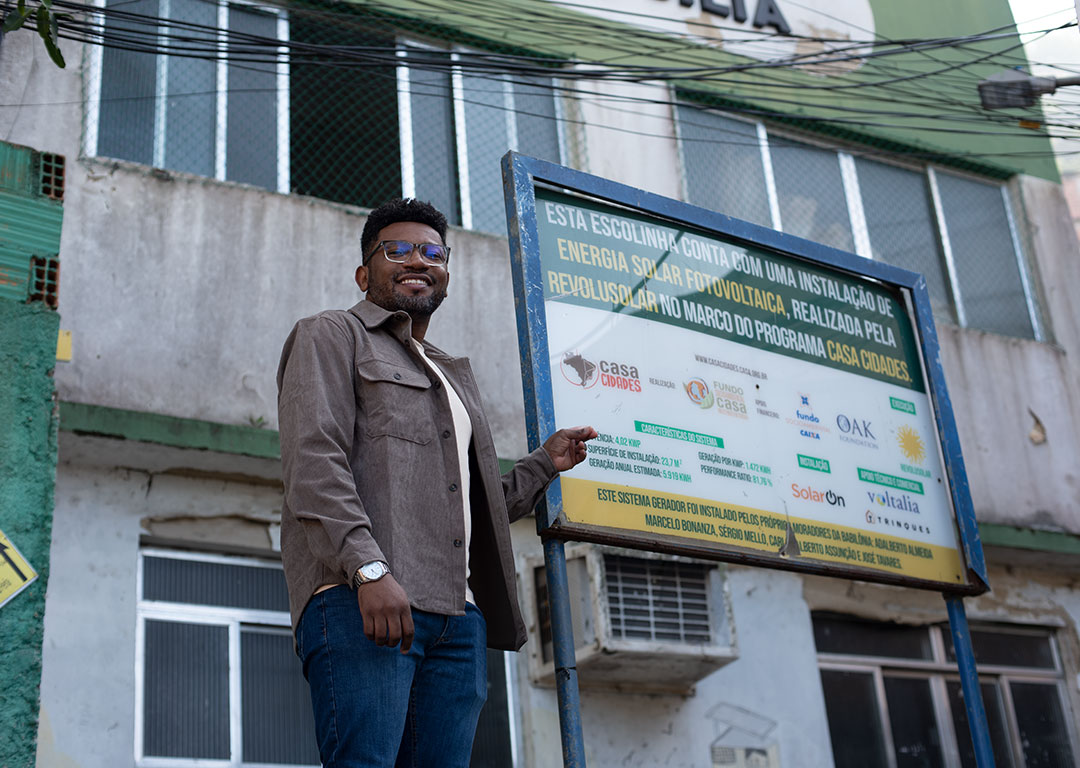
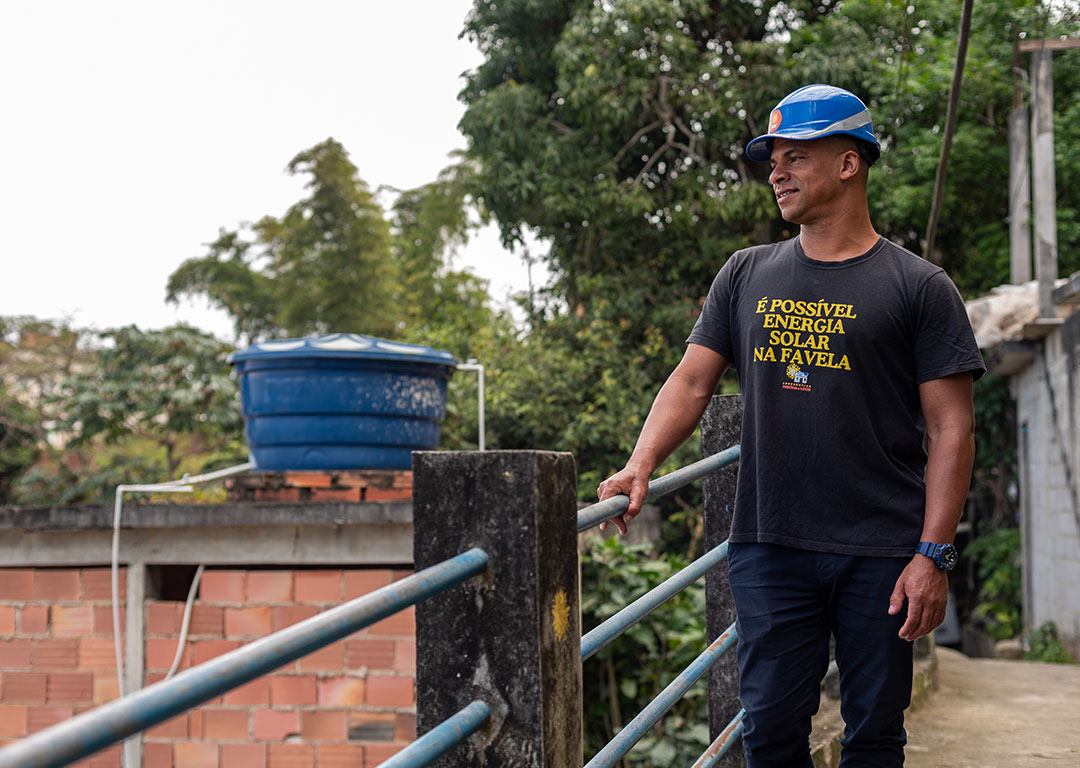
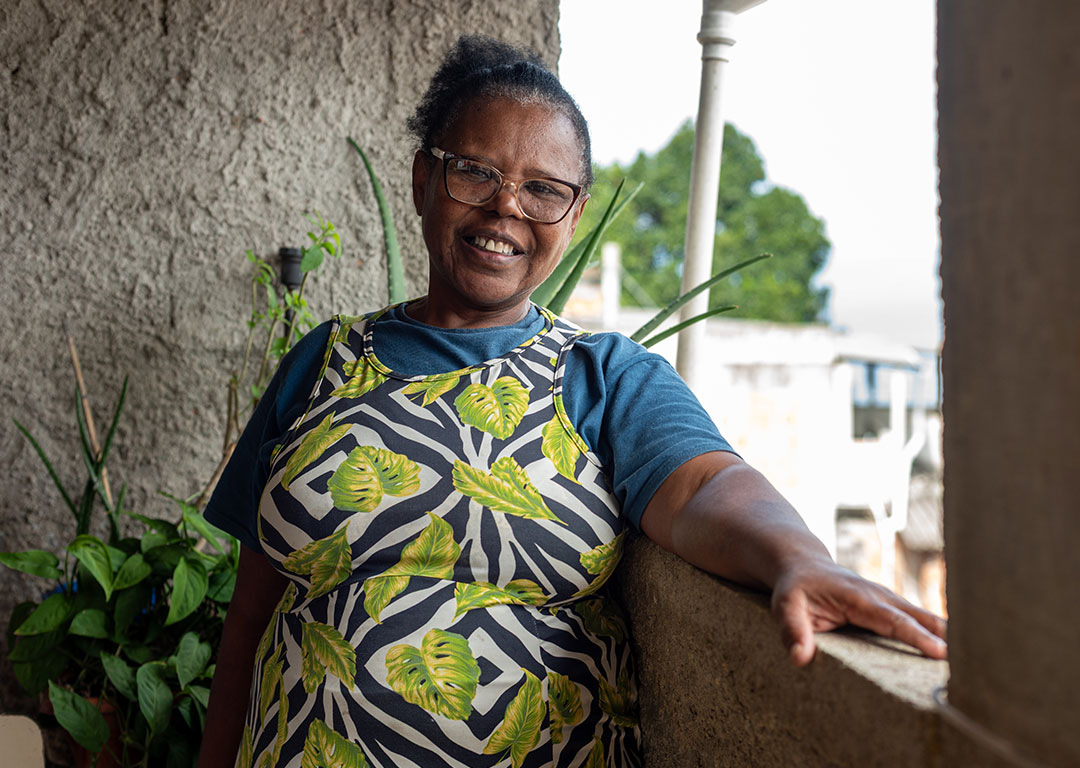
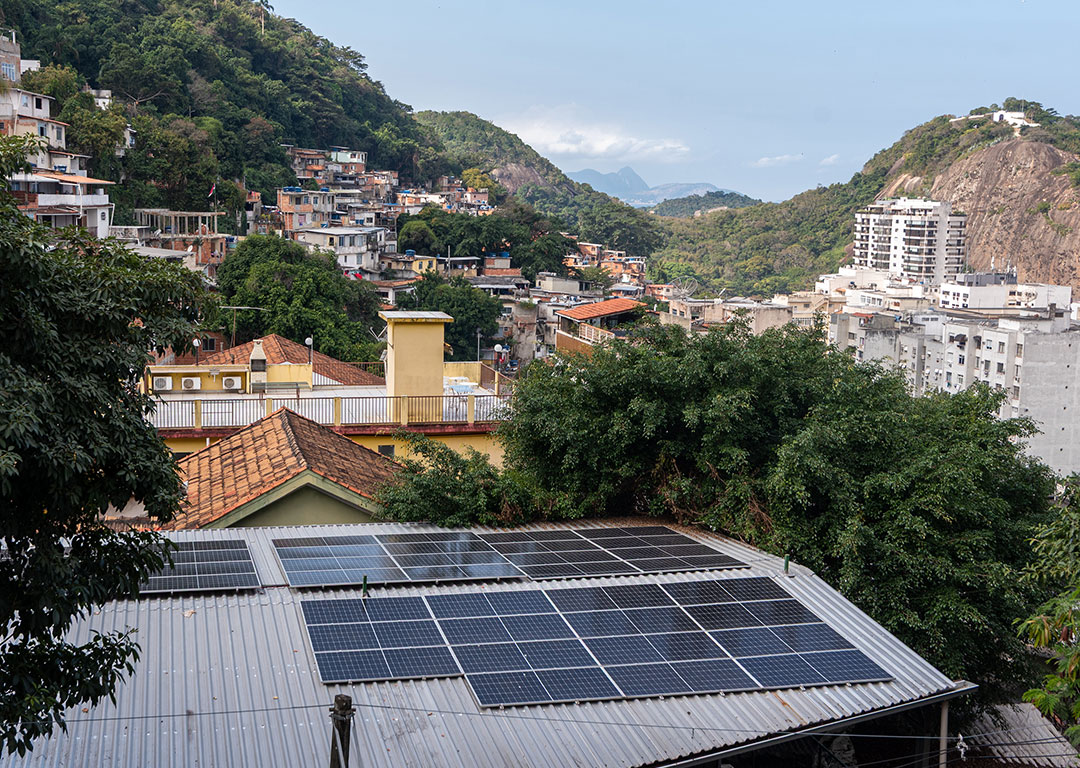
In 2016, residents of Morro da Babilônia decided to install solar panels on the roof of a hostel. What began as an experiment to generate energy soon evolved into Revolusolar, a nonprofit organization dedicated to building an inclusive and community-driven energy transition.
Two years later came a turning point: with the first financial support from the Casa Socio-enviromental Fund, the NGO built a solar power plant at the Tia Percília Community School, also in Morro da Babilônia. More than just providing electricity for the school, this achievement marked a new chapter for the institution.
Place: Morro da Babilônia, Rio de Janeiro, Rio de Janeiro.
Biome: Atlantic Forest
Project: Various projects supported by Casa Fund
Photos: Bárbara Dias
Revolusolar began to combine education, community engagement, and income generation, training women and men to work with solar energy.
Nine years later, with further philanthropic support, the organization expanded, reached new communities, and established the country’s first solar energy cooperative. Today, Revolusolar shows that the most equitable path to sustaining life on Earth does not come from the center — the solution lies in the peripheries.